The COVID-19 pandemic has had a dramatic impact on family life. Social isolation, the increase in screen time, upended routines, distance learning and remote working all changed life as we knew it. But as time went on, the world adapted, and we developed new coping and parenting strategies.
Eventually, positive things emerged. “Families spent more time together, perfectionists learnt to let go, and many discovered a resilience they never knew they had,” says Gen Clarke, a counsellor from Johannesburg.
As life slowly returns to previous routines, it’s worth holding on to the important lessons we have learnt.
Relaxation is rudimentary
In those first few weeks of hard lockdown, many families found their schedules suddenly empty. They filled it with family games evenings, baking challenges and parent-child DIY projects. This made some feel refreshed, despite the horrors of the pandemic.
The lesson: While it’s not always possible to live at that pace, balance is key. Make more time for relaxation and bonding as a family, whether that means going on holiday, trying new hobbies over weekends, or simply making dinner time phone-free. “Say yes to fun things more often. Life is short and full of stressors, and anything that brings you and your kids joy should be a regular part of your life,” says Gen.
Perfection is not possible
With the whole family at home and everyone juggling work/school/home duties, a strange thing happened. Parents realised that, in fact, the world didn’t implode when their kids didn’t get their regular haircuts or they spent Saturday afternoon just hanging out, not doing a structured activity.
The lesson: “Don’t put so much pressure on yourself – or your kids”, says Gen. Rather, he suggests, when feeling overwhelmed, drop something from your diary instead of ‘burning yourself out’ to get everything done. Furthermore, he stresses, teach your kids to recognise when they also feel overwhelmed – it helps to let go of the need to be perfect. “Life will always present ‘curved-balls’ so that your perfect plans will fly out of the window. When you make peace with that fact you’ll feel more in control. This is an important skill for kids to learn too.”
Chores build character
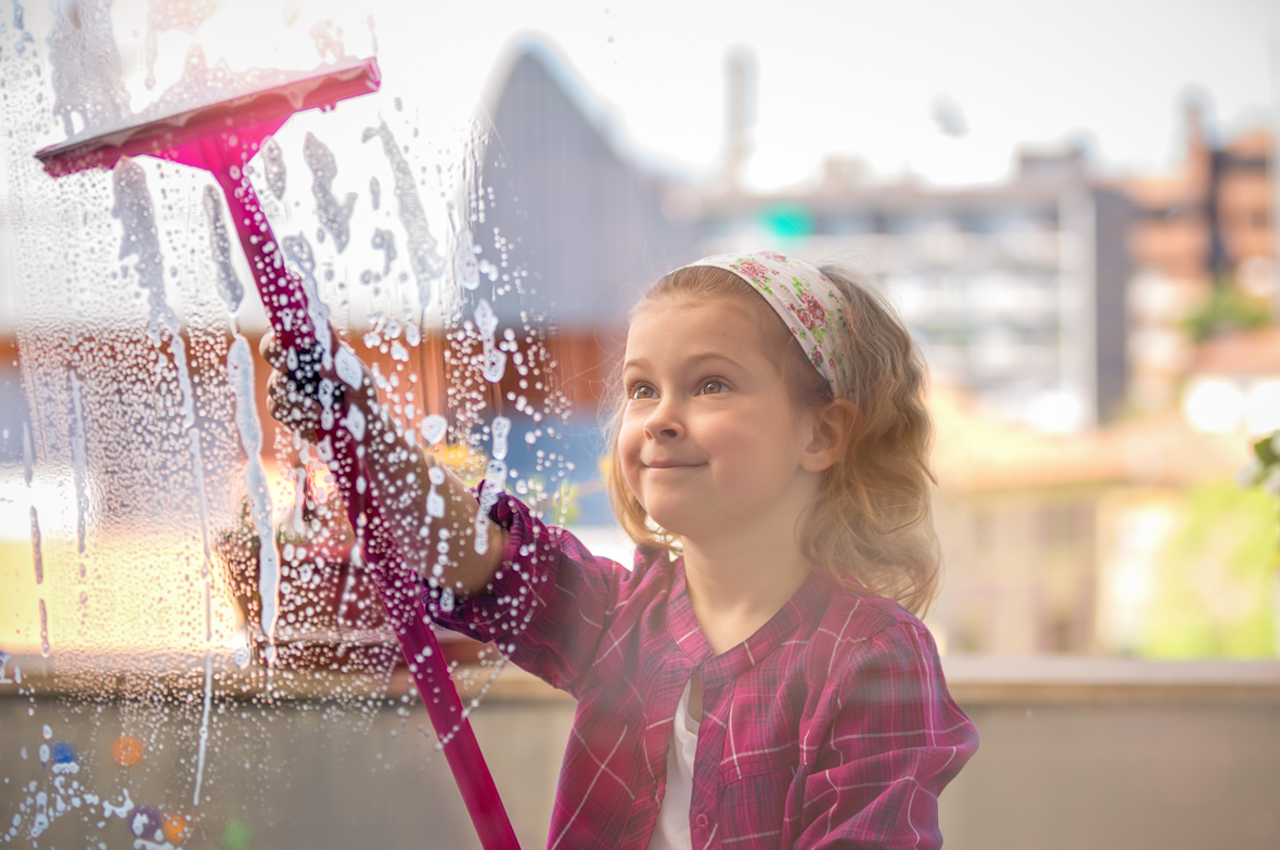
“While in a long Zoom meeting one day, my three-year-old got angsty and tried everything to get attention. In a last-ditch attempt to get her to be quiet, my spouse gave her a feather duster and asked her to start dusting,” says Elise Smit from Johannesburg. The effect was extraordinary. Her daughter loved dusting so much, she took it upon herself to do it every few days. “Of course, we finish the job when she’s done, but she loves the responsibility and feeling like an important part of the home routine.”
The lesson: Kids learn a lot from tasks around the home. Give your child age-appropriate chores to do – it teaches responsibility and can lighten parents’ loads.
Exercise is essential
With gyms closed and school sports cancelled, families had to find other ways to exercise. Some joined online exercise classes, while others played sports in the backyard or went for walks as a family. With more time on their hands, it became a regular routine for many – and home life was more peaceful for it.
The lesson: Make time for physical activity. It burns off kids’ extra energy, promotes relaxation for overworked parents and boosts everyone’s feel-good hormones. With scheduled activities back on the cards, don’t let go of the family exercise time. It can be as simple as kicking a ball around in the evenings or going for a walk in your nearest park.
Shared parenting is important
In most families, one parent carries the brunt of the parenting load, says Gen. “When both parents started working from home, the non-primary caregivers finally saw how much work goes into caring for kids and a home, and started helping out more. I have so many clients whose relationships improved because the workload was shared more equally.”
The lesson: Though it’s not always possible to have exactly equal parenting loads, find ways to help each other out more.
While we’re all eager to put the pandemic behind us, it’s worth reflecting that the circumstances gave parents and children more opportunities than ever before to spend time together, to learn and to grow. These hard-won lessons can only stand us in good stead going forward.
References
- Care.com
- Catalyst