There is no doubt that 2020 was a stressful year. Between lockdowns, retrenchments, and curfews, it left most feeling overwhelmed, exhausted, and burnt out. Research estimates that stress contributes to as many as 80% of all major illnesses, including heart disease, inflammation, cancer, metabolic conditions, skin disorders as well as overall immunity. There is also a close connection between ongoing stress and mental health disorders, including anxiety and depression.
With so much still unknown about COVID and what might be on the cards for 2021, it’s a good time to start putting strategies in place to “future proof” your health. Given the role of stress on your health, learning to manage it is essential in improving your overall well-being.
Sweat your stress away
Scheduling in more time each day for activity is one of the most effective strategies for both relieving stress and building resilience to it.
It’s not breaking news that exercise is good for you. Regular exercise improves your cardiovascular health, strengthens bones and muscles and reduces the risk for several chronic diseases, including diabetes and certain cancers. But the benefits of exercise extend beyond your heart and bones, it acts as a powerful buffer to the damaging effects of stress on your entire body.
Exercise as a buffer
It’s counterintuitive to think that exercise, which is a form of physical stress, can actually improve the situation. But exercise generates a “good” stress response, which gradually improves your physical, and mental, ability to manage stress. It does this in 3 ways:
- Neurochemical changes: exercise stimulates the release of endorphins (“happy hormones”) while at the same time lowering the release of stress hormones, like cortisol. This combination has a knock-on effect to other areas of lifestyle, including improving your sleep, which in turns improves your resistance to stress
- Behavioural changes: as you engage in exercise more often, you feel a sense of control, pride and self-confidence. As self-esteem improves, so does your commitment to a healthy lifestyle
- Perspective changes: exercise provides an opportunity for you to get “away” from your stress, be that either figuratively if you’re exercising in the garden, or literally, if you’re able to hit the road for a run or ride. Either way, when your body is busy, your mind will be distracted from the worries of daily life.
Studies also show that exercise is effective at reducing fatigue, improving alertness and concentration, and at enhancing brain function. This can be especially helpful when, at the start of the year (or at any other time) it feels as though stress has depleted your energy or ability to concentrate.
The real key here to include movement into your day because you want to, it’s fun and because it makes you feel good. Not because it is just another thing on your to-do list.
An exercise prescription for stress
Would you miss an appointment with the dentist, or skip the medication your doctor prescribed? The answer is (hopefully) no. So, consider exercise both an appointment and a medication. Schedule in time each day for your exercise – put it in your diary so that it becomes a non-negotiable “meeting” that you plan the rest of your day around.
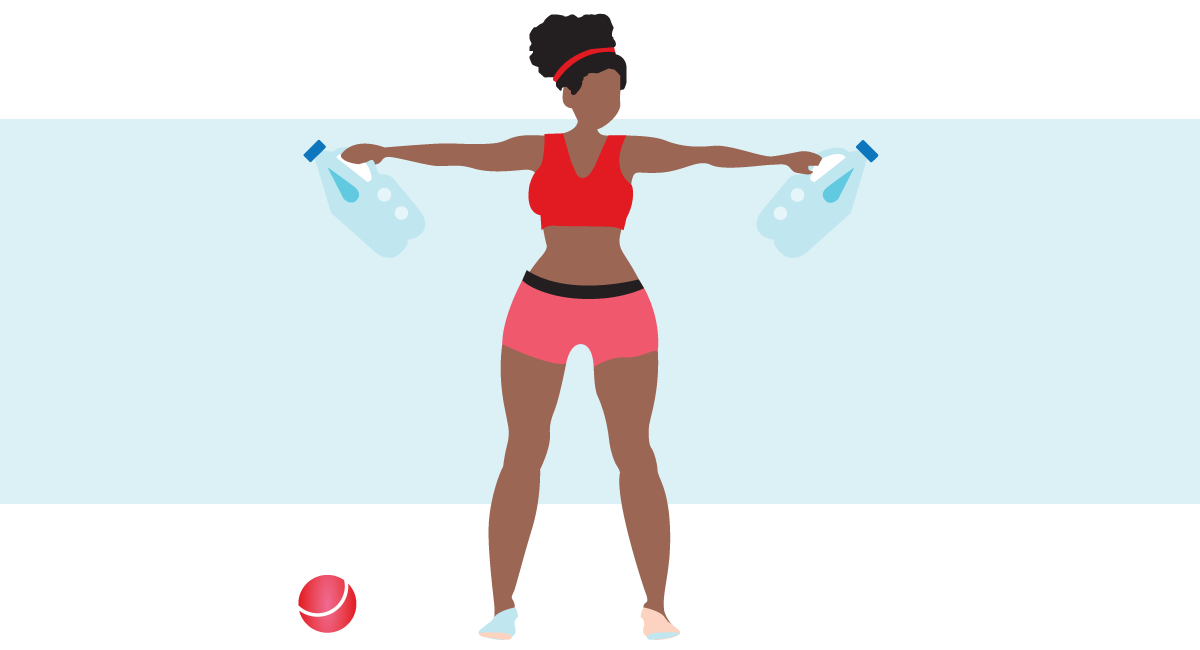
There is no “best” type of exercise. The current environment has turned “traditional” exercise on its head, and home-made weights and yoga mats have become the new treadmills and spinning bikes. The good news is that any type of movement that gets your heart pumping counts as exercise. No weights? No problem! Fill up some bottles with water. No space? No problem! A step, a wall or even a chair will work simply fine.
If getting started with an exercise routine sounds overwhelming, keep in mind that starting anywhere is better than not starting at all. Not sure where to begin? Don’t overthink it. Research shows that all kinds of exercise can be an effective way to manage stress and stay mentally healthy. The important thing is that you find an activity you enjoy and you stick with it.