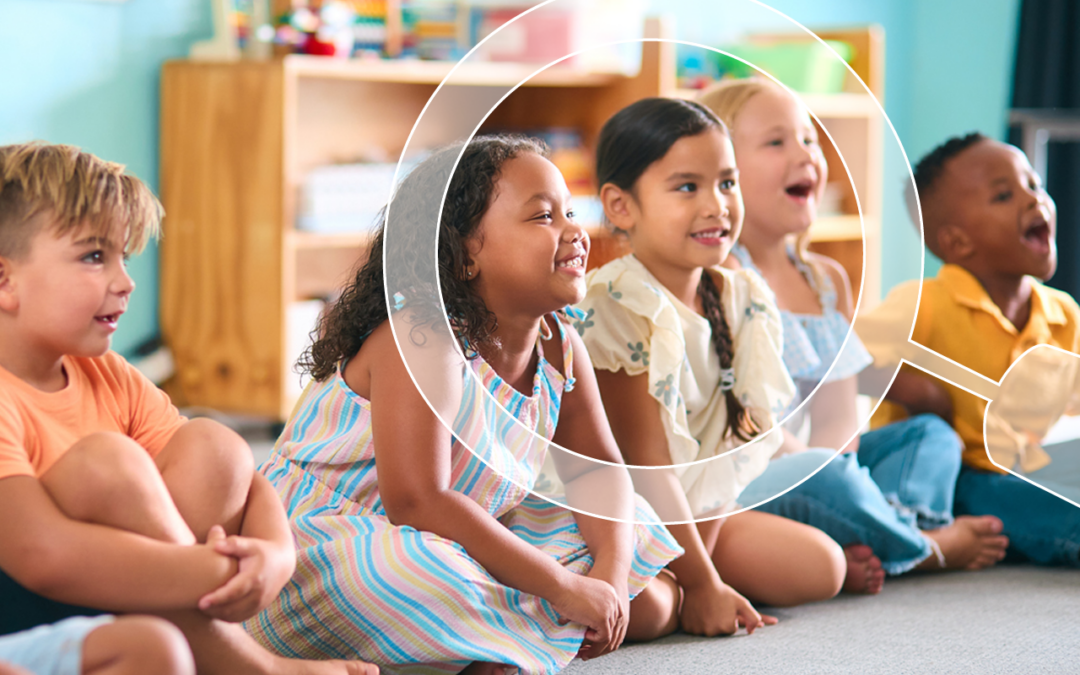
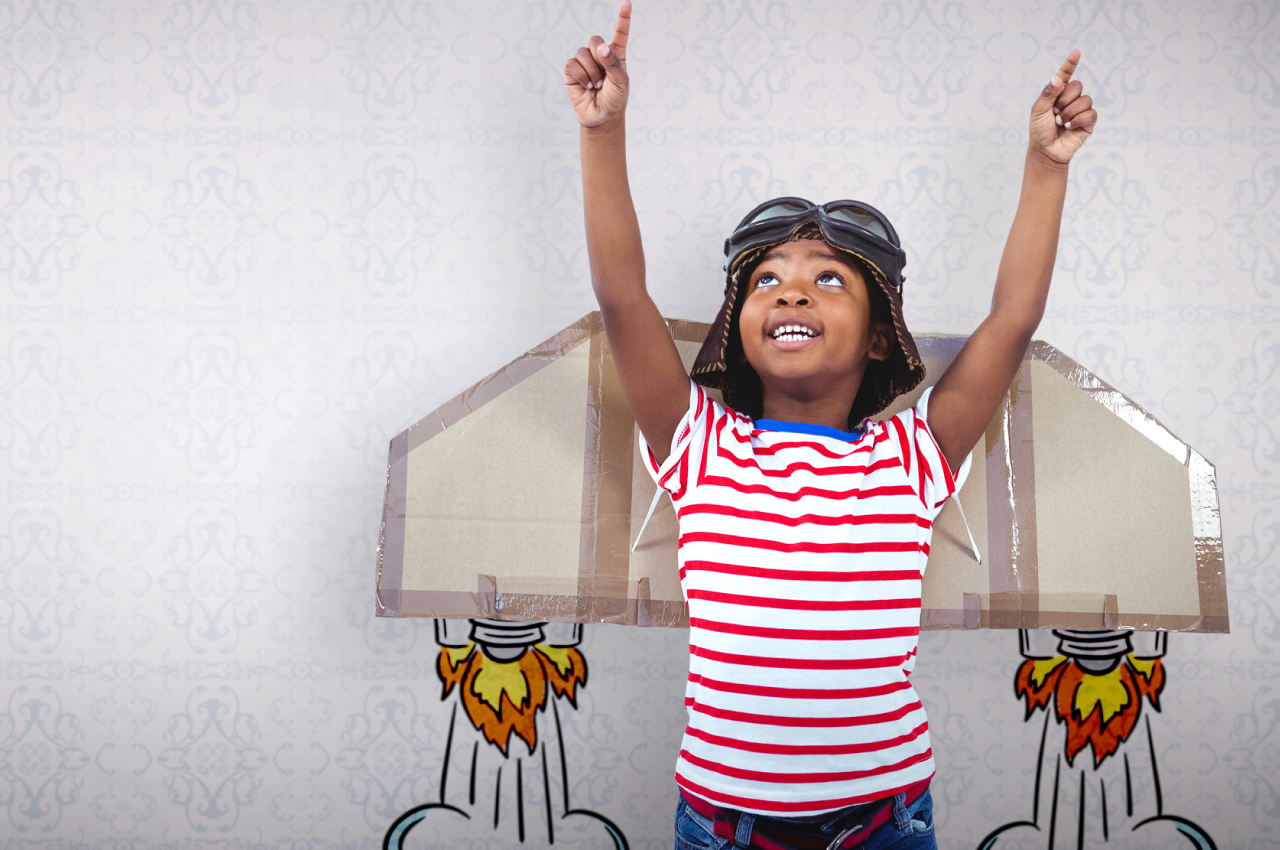
All work and no play makes Jack a dull boy.’ A cliché? Yes, but there may just be a dot of truth to it. Everyone knows that play is good for kids. It promotes physical and mental development and provides an opportunity for healthy social interaction. But as kids get older, time for free play gets less, until adulthood, when it just about disappears altogether. Truth is, it’s time to put play back on your agenda. Playing as an adult isn’t just about goofing off from your responsibilities, it’s an important means of reducing stress and improving overall well-being.
What is “play?”
Play is easy to recognise amongst kids – a game of tag, or ‘hide and seek’. But how you play as an adult is as unique to you as your fingerprint. It could be collecting something, reading a book, pole dancing, climbing a mountain, or anything in between. Play is something that offers you a sense of engagement and pleasure. It takes you away from your daily routine and away from your sense of place and time. Most importantly, the actual experience of doing it is more important than the outcome.
The health benefits of play
- Less stress
Playful adults have the ability to transform everyday situations, even stressful ones, into something entertaining. Studies have found highly playful young adults — those who rated themselves high on personality characteristics such as spontaneity, energy, or being open to ‘clowning around’ — reported less stress in their lives and had better coping skills.
- Better bonding
Participating in fun and relaxing activities with family and friends brings you closer to them. By sharing an experience, particularly one that releases feel-good endorphins and bonding oxytocin, you connect more closely and are more likely to want to repeat it in the future.
- More energy
Play can help restore vitality and make you feel more energized and resilient. Plus, if you’re spending your playtime outside, the exposure to nature and fresh air can also improve your mood and energy levels.
- Sweet dreams
The more you move around, the better you sleep! Active play improves overall sleep quality and increases the amount of restorative sleep you enjoy each night. It also helps cue your body to fall asleep at a similar time each night since your energy levels will naturally start to reduce earlier after being active, especially if experienced outdoors.
- Improved productivity and creativity
Any challenge that you expose yourself too stimulates your brain to work harder and form new connections, helping to prevent age related decline. Play can also change the way you think, establishing new neural connections that allow you to be more creative. Several studies have established a link between playing with words (play doesn’t always need to be physical!) and confidence with writing and speaking.
Easy ways to play more
Play is a basic human need and is as essential to your well-being as sleep. So, when you’re low on play, your mind and body notices! Over time play deprivation can reveal itself in how you feel: irritable, stuck in a rut, or just a bit “down”. To benefit most from the rejuvenating benefits of play, ensure you include it into your everyday life, not just when you’re on holiday! Rediscover your inner child and embrace that feeling of pure joy. Don’t overthink it, just do what feels good for you! Here are a few examples:
- Splash in puddles next time it rains
- Play frisbee
- Sing karaoke
- Play Charades or Pictionary
- Fly a kite
- Try finger-painting or making something with Playdough
- Climb a tree
- Build something with Lego (instructions optional)
- Skip
- Blow bubbles
- Go down a slide
- Skateboard
REFERENCES
Get the science behind the value of play
The National Institute for Play, through scientific methodology, helps us to unlock our human potential through play in all stages of life.