The heart is not just a mechanical pump that needs physical maintenance; it’s also the seat of emotions and needs mindful support.
Heartfelt, heartache, big hearted … the heart is used to describe many of our deepest emotions. But did you know there’s a powerful link between your emotional health and your heart? This Heart Awareness Month, let’s have a heart for this incredible organ by considering the impact of our thoughts and feelings, and understanding how to look after ourselves.
Hearts and minds
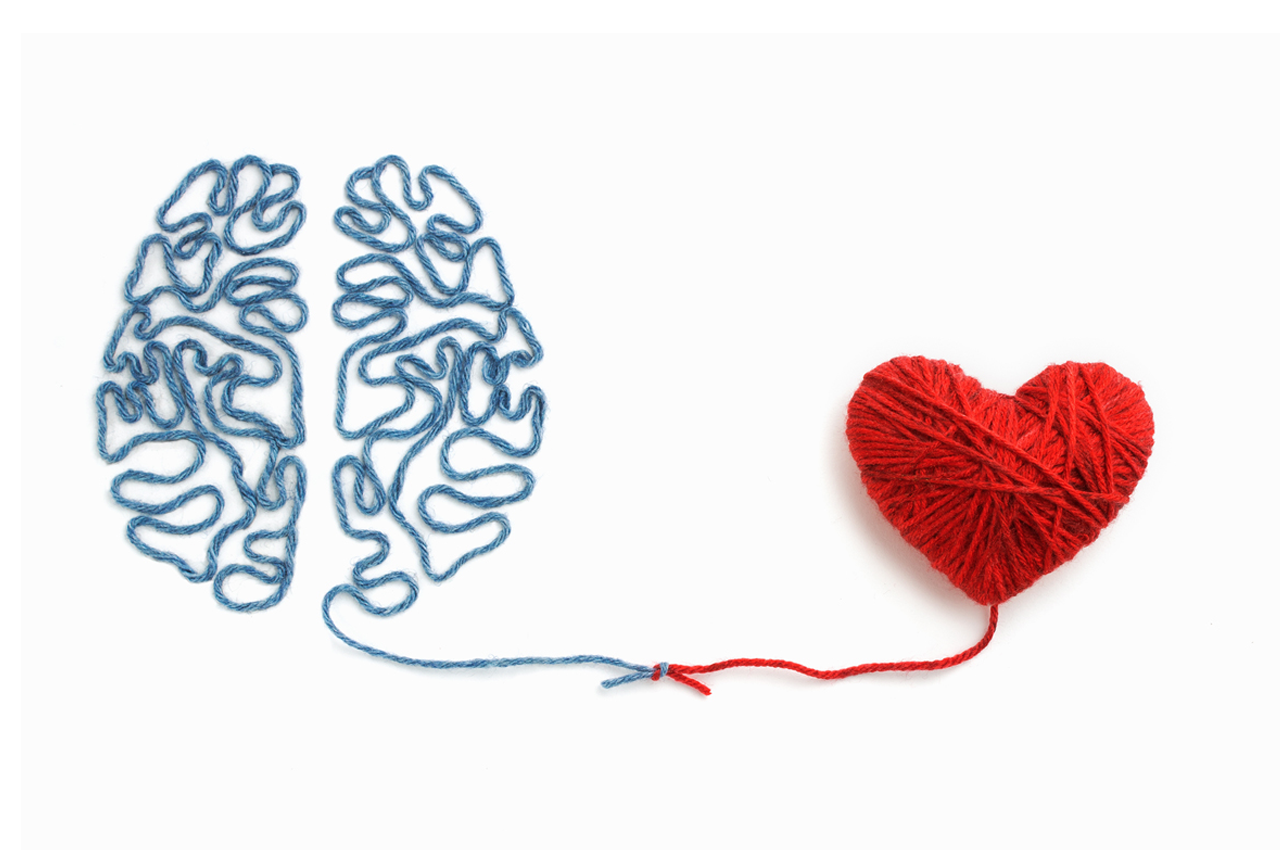
It turns out your heart actually has its own brain – the intrinsic cardiac nervous system – and what we feel is conveyed between the heart and brain. In addition, how our bodies physically react to emotional things also impacts the heart. For example, stress causes a rise in cortisol and adrenaline, raising blood pressure and triggering the heart to beat faster. On the other hand, hormones like oxytocin, released in response to positive touch, can have a protective effect on the heart. Clearly, our hearts and minds are intrinsically connected.
Happy heart how-to
Of course, a healthy heart needs a healthy lifestyle, including exercise (at least 30 minutes of moderate activity five days a week) and a healthy diet. You should also keep your blood pressure, blood sugar and cholesterol levels in check, and avoid smoking and excessive alcohol.
But heart health goes beyond the physical; we also need to focus on emotional wellbeing. Your greatest personal resource that can be developed is your capacity to self-regulate emotions, and the greatest resource around you is the quality of your relationships.
Here’s how to get going …
- Happy disposition, happy heart
It may seem flippant, but adopting an attitude of seeking out the good is priceless. Don’t pretend that tough times don’t exist, but consciously strive to live a joyful life. This is thought to reduce the physical effects of stress and, according to research at Johns Hopkins University, people with a positive outlook are less likely to have a heart attack.
- Make connections
As social beings, connecting with others is thought to be as important to our health and happiness as food and water. Spend time with people that make your heart sing, be they friends, family or co-workers, and make a concerted effort to be present in the moment with them. Tell your loved ones how you feel, share a good hug and make a commitment to regular catch-ups. Even having a beloved pet helps, because stroking or cuddling an animal boosts happy hormone production.
- Don’t hate, meditate
Research shows that regular meditation is a boon to heart health and is even linked to a lower risk of heart attack. According to mind-body medicine expert Dr Herbert Benson, you need to aim for 10 minutes a day to reap the benefits. Try this guided heart-health meditation to get you started.
Way back in 1628, physician William Harvey said, “For every affection of the mind that is attended with either pain or pleasure, hope or fear is the cause of an agitation whose influence extends to the heart.” In other words, your emotions directly affect your heart. It makes sense then, to look to our minds and aim for balance in all things, so we can truly live life to our heart’s content.