0800 229355 [email protected]
Wellness Café

Emotions – Replacing Prozac

Feb 21, 2017

Can Green Gardening Replace Prozac?

Gardening, it is said, can replace Prozac’ – yes it can! Extensive research has shown that gardening is the new ‘green’ feel good drug with an abundance of GOOD side effects.


Portrait of young housewife enjoying fresh salad

It has been found that  when we leave behind our high-tech worlds of busy offices, factories and street life and get out into nature, we are better able to reconnect with the deep emotional qualities of our humanness. Time in nature offers us the opportunity to expand our awareness, and this is often accompanied by an experience of deep gratitude for the richness of life around us.

Then we access those truly human emotions of love, compassion, care, and a sense of connectedness to the ‘livingness’ of the world. This helps get the ‘happy’ hormones racing through our bodies, providing a sense of deep wellbeing.

In their book: ‘Digging Deep: Unearthing Your Creative Roots Through Gardening’, Fran Sorin and Larry Dossey suggest the following:

‘Gardening is a sacred act.

When you dig a hole in the ground and feel the soil in the palm of your hand, or as it crumbles between your fingers, you are participating in a ritual that has been taking place since the dawn of humankind.

There’s a rhythm to gardening that soothes our souls and awakens our senses. It’s through observing and celebrating the change of seasons that we can learn to accept our human journey from gestation to birth, death and beyond.’

You can find Fran Sorins website here: Fran Sorin

fran-cropped

You may also want to read this article from the Phela Wellness Café:

Feeling Lonely? Here’s what to do!

If you feel that you need a little more help than growing veggies, or reading an article, to ease your emotional challenges, then you can talk to someone confidentially. Call our helpline to set up a free session with one of our skilled counsellors on  08002BWELL (0800229355)

LATEST POSTS

5 surprising facts about ADHD

5 surprising facts about ADHD

Think attention-deficit/hyperactivity disorder (ADHD) is shorthand for someone who can’t sit still and focus?
In fact, it’s not an inability to focus, it’s about regulating attention. Many people with ADHD describe becoming intensely focused on some tasks – known as ‘hyperfocus’ – while struggling to start or complete things that don’t grab their attention.

When children get cancer

When children get cancer

No one wants to hear that a child has cancer. Fortunately, childhood cancer is rare and accounts for less than 1% of all cancers. 
The danger is that many childhood cancers progress very quickly, so it’s important for caregivers to be aware of warning signs – and seek help. 
With September being Childhood Cancer Awareness Month, now is the time to learn more. 

When breastfeeding does not work for you

When breastfeeding does not work for you

Breastfeeding is often portrayed as one of the most natural parts of motherhood – an instinctive, nurturing interaction between mother and child. But what if that image of effortless nursing doesn’t reflect your reality?
You’re not alone. In fact, 60-80% of new moms say they have difficulty breastfeeding. What’s more, in South Africa, the tally for infants under six months that are exclusively breastfed is less than one in three.

Why you should start building bone today

Why you should start building bone today

Over the years, your bones gradually break down – and for women after menopause, it’s a particularly big problem.
Your bones may seem solid, but they’re actually living tissue constantly renewing itself – like a well-maintained building. New parts replace old ones all the time, but if the building loses more bricks at a rate than they can be replaced, the structure becomes weaker.

How to stay healthy all winter long

How to stay healthy all winter long

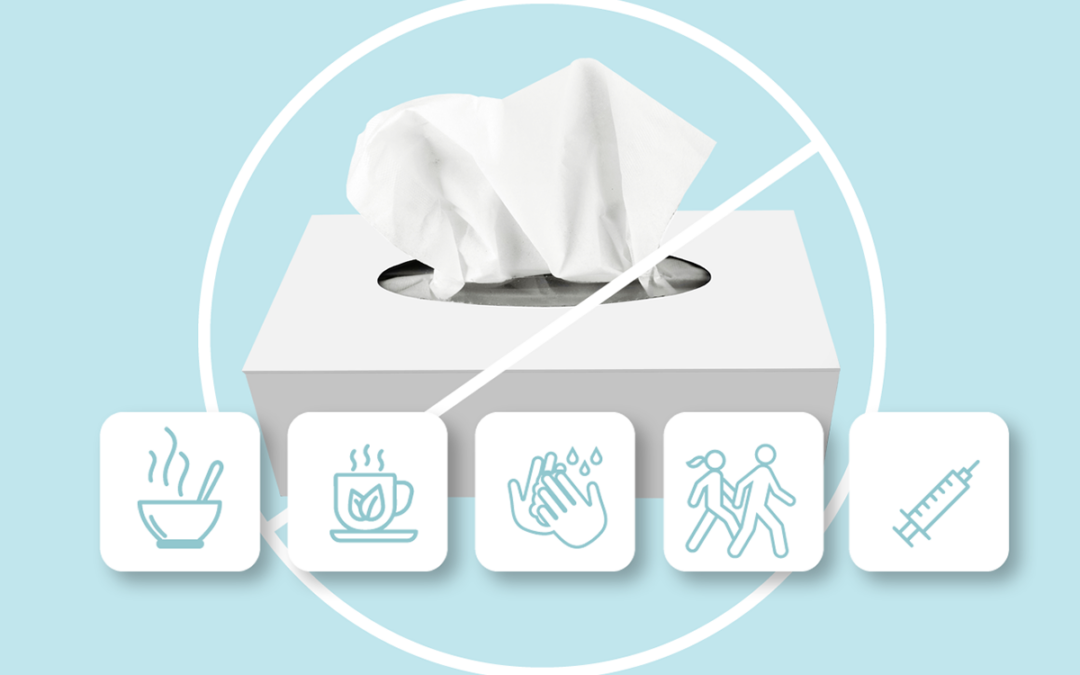
Want to stop the sniffles in their tracks this season? These five strategies will protect, nurture and support your body.
South Africa’s colder months can bring a mixed bag of winter woes. More time indoors, closer contact with others, indoor heating – the perfect conditions for colds and flu. Shorter days also affect vitamin D levels and mood. It’s not surprising that many of us end up feeling less than sunny. 

You May Also Like: