
0800 229355 [email protected]
Wellness Café

Current News: South Africa and Ukraine

Mar 8, 2022

South Africa and Ukraine

Here in South Africa, there seems to be two active responses on social media to the shock of the Russian invasion of Ukraine. One is a sense of outrage and sadness at the disruption and tragic loss of life. The other seems to be an almost flippant expression of gratitude for being far away ‘down south’ from the conflict zone.

But remember that in this globalised society nothing is ‘far away’. Surely, we learned that lesson in the Covid-19 pandemic? This is a deeply interconnected world, and the disruptive social and economic consequences of war will affect all – one way or another.

Especially with social media and the power of instant communication, we need now to reconsider the impact of our words – especially those  thoughtless comments. If we genuinely seek wellbeing and peace for humanity, we will surely want to avoid the risk of adding fuel to the fire by seemingly taking grim satisfaction in someone else’s misfortune.

So this is a good time to review our daily words and deeds – in our workplaces, families and communities. How might we inadvertently still be contributing to the perpetuation of violence in society? Or do our words and deeds help to enhance peace and wellbeing?

Now, as we continue to watch the events in Ukraine with deep concern, let us re-evaluate our own personal contribution to the atmosphere we might be creating with what we say and with our actions. That is why the study of non-violent communication (NVC) has become a pressing need in this interconnected world – see: https://www.cnvc.org/

So, whilst understandably, we might feel that we have little individual influence to bring peace to a conflict zone like Ukraine, we do still have influence in our own communities. If we want peace, let us practice that daily in our local spheres of influence.

LATEST POSTS

5 surprising facts about ADHD

5 surprising facts about ADHD

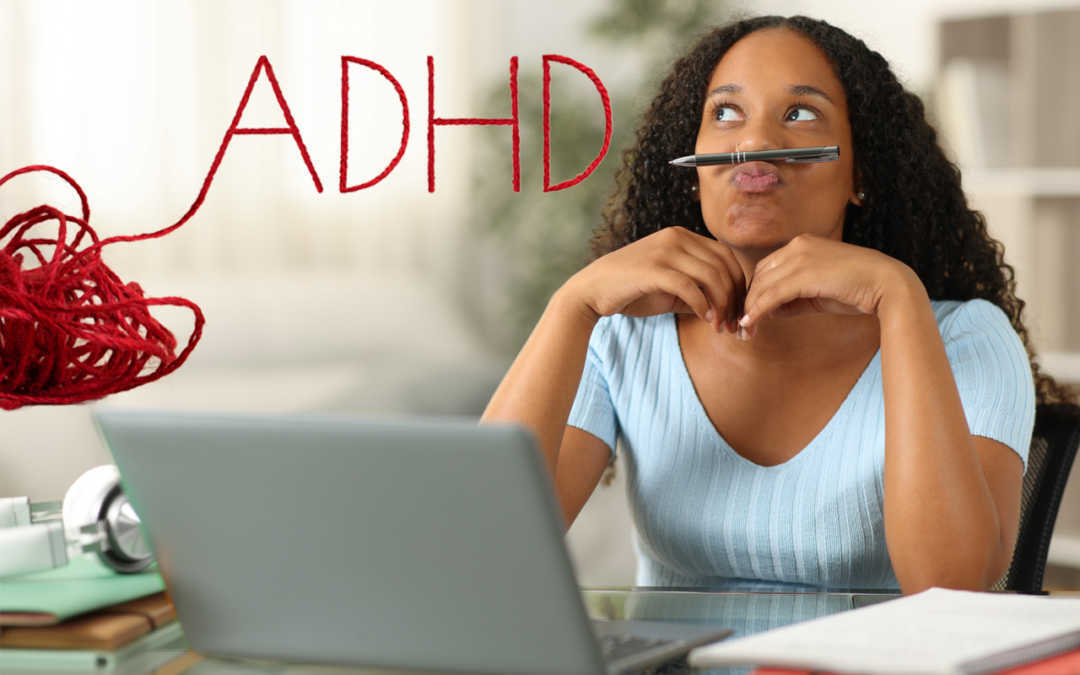
Think attention-deficit/hyperactivity disorder (ADHD) is shorthand for someone who can’t sit still and focus?
In fact, it’s not an inability to focus, it’s about regulating attention. Many people with ADHD describe becoming intensely focused on some tasks – known as ‘hyperfocus’ – while struggling to start or complete things that don’t grab their attention.

When children get cancer

When children get cancer

No one wants to hear that a child has cancer. Fortunately, childhood cancer is rare and accounts for less than 1% of all cancers. 
The danger is that many childhood cancers progress very quickly, so it’s important for caregivers to be aware of warning signs – and seek help. 
With September being Childhood Cancer Awareness Month, now is the time to learn more. 

When breastfeeding does not work for you

When breastfeeding does not work for you

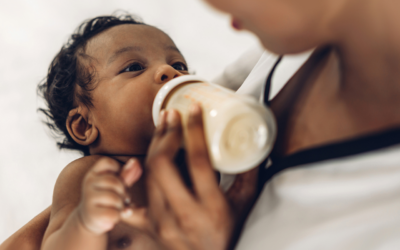
Breastfeeding is often portrayed as one of the most natural parts of motherhood – an instinctive, nurturing interaction between mother and child. But what if that image of effortless nursing doesn’t reflect your reality?
You’re not alone. In fact, 60-80% of new moms say they have difficulty breastfeeding. What’s more, in South Africa, the tally for infants under six months that are exclusively breastfed is less than one in three.

Why you should start building bone today

Why you should start building bone today

Over the years, your bones gradually break down – and for women after menopause, it’s a particularly big problem.
Your bones may seem solid, but they’re actually living tissue constantly renewing itself – like a well-maintained building. New parts replace old ones all the time, but if the building loses more bricks at a rate than they can be replaced, the structure becomes weaker.

How to stay healthy all winter long

How to stay healthy all winter long

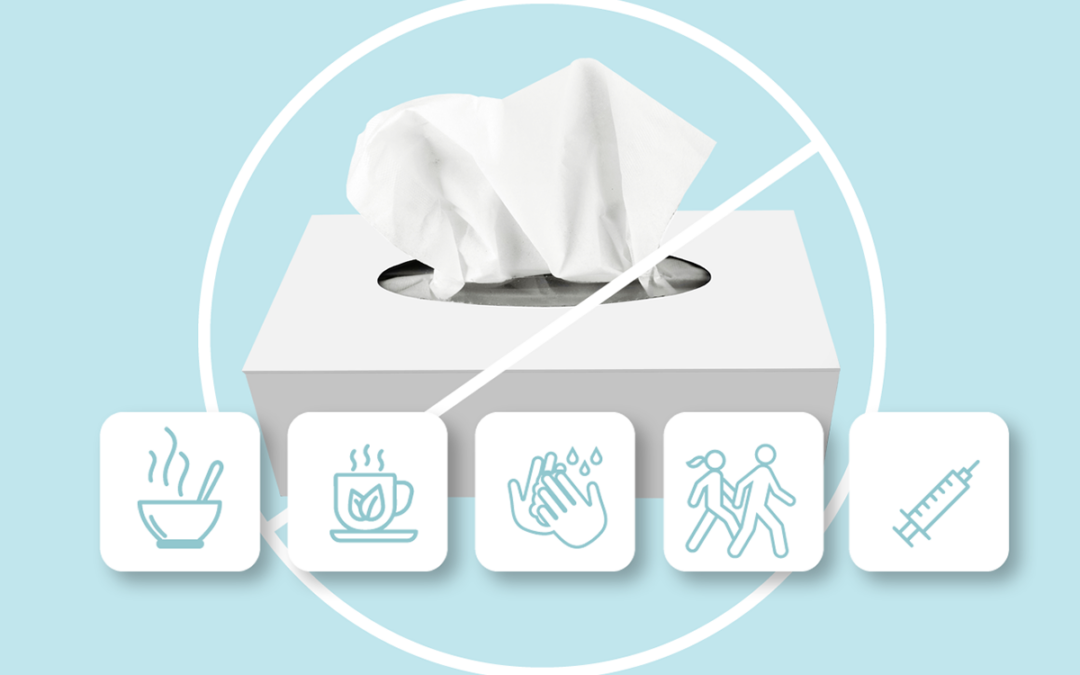
Want to stop the sniffles in their tracks this season? These five strategies will protect, nurture and support your body.
South Africa’s colder months can bring a mixed bag of winter woes. More time indoors, closer contact with others, indoor heating – the perfect conditions for colds and flu. Shorter days also affect vitamin D levels and mood. It’s not surprising that many of us end up feeling less than sunny. 

You May Also Like: