0800 229355 [email protected]
Wellness Café

Baffled about boosters?

Feb 14, 2022

Baffled about boosters?

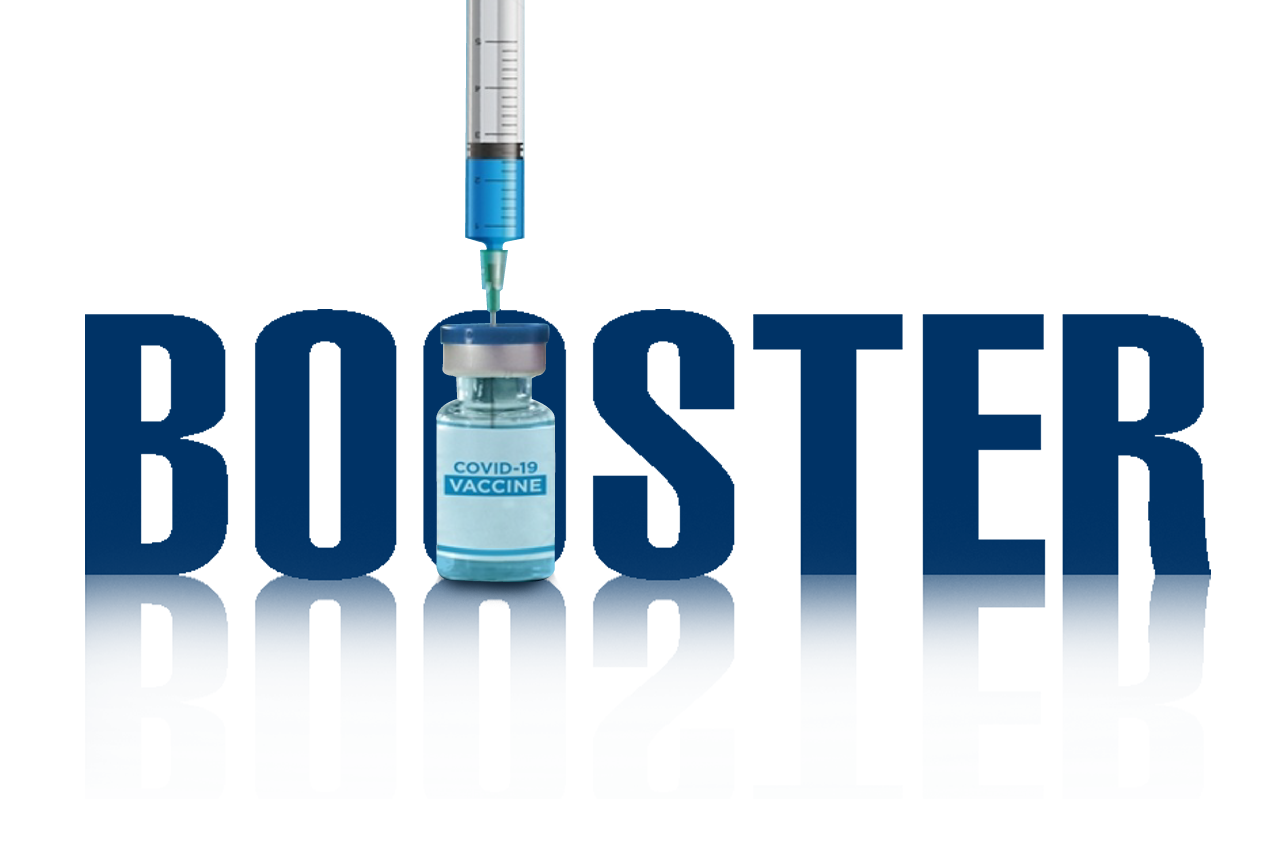
A common argument against COVID-19 vaccination is “Surely the vaccines can’t be effective if I require a booster?”

All vaccines work to train the immune system to recognise foreign invaders and produce antibodies that will attack them. But the strength of the initial immune response, and the amount of time the antibodies will last, varies depending on both the pathogen the vaccine is fighting, and the vaccine itself. Measles antibodies, for example, are long lasting, which is why only children get the jab.

Added to the complexities of how long antibodies last, is the extent to which a virus can mutate. And we know that COVID is a master of mutation! A rapidly evolving virus can trick a trained immune system and cause illness by changing its appearance or finding new ways to attack. Trying to create a vaccine to detect every new mutation is like trying to hit a moving target… tricky, but not impossible. COVID-19 is not the first virus to do this… and that is why there is a new flu vaccine released each year.

Vaccines do more than just help the immune system to produce antibodies. Vaccines educate the entire immune system, including T-cells, a type of white blood cell involved in removing pathogens from the body. There is growing evidence that even though COVID-19 variants may evade vaccine-induced antibodies, other aspects of a vaccine-boosted immune system, including T cells, are not as easily fooled!

The current evidence available suggests that while there is a waning immune response from the initial COVID-19 vaccine doses, those who have a booster dose have superior protection against severe disease. In other words, a third dose simply tops up the immune response, supercharging it’s potential to fight off whatever mutation it may have to face next.

References:

LATEST POSTS

5 surprising facts about ADHD

5 surprising facts about ADHD

Think attention-deficit/hyperactivity disorder (ADHD) is shorthand for someone who can’t sit still and focus?
In fact, it’s not an inability to focus, it’s about regulating attention. Many people with ADHD describe becoming intensely focused on some tasks – known as ‘hyperfocus’ – while struggling to start or complete things that don’t grab their attention.

When children get cancer

When children get cancer

No one wants to hear that a child has cancer. Fortunately, childhood cancer is rare and accounts for less than 1% of all cancers. 
The danger is that many childhood cancers progress very quickly, so it’s important for caregivers to be aware of warning signs – and seek help. 
With September being Childhood Cancer Awareness Month, now is the time to learn more. 

When breastfeeding does not work for you

When breastfeeding does not work for you

Breastfeeding is often portrayed as one of the most natural parts of motherhood – an instinctive, nurturing interaction between mother and child. But what if that image of effortless nursing doesn’t reflect your reality?
You’re not alone. In fact, 60-80% of new moms say they have difficulty breastfeeding. What’s more, in South Africa, the tally for infants under six months that are exclusively breastfed is less than one in three.

Why you should start building bone today

Why you should start building bone today

Over the years, your bones gradually break down – and for women after menopause, it’s a particularly big problem.
Your bones may seem solid, but they’re actually living tissue constantly renewing itself – like a well-maintained building. New parts replace old ones all the time, but if the building loses more bricks at a rate than they can be replaced, the structure becomes weaker.

How to stay healthy all winter long

How to stay healthy all winter long

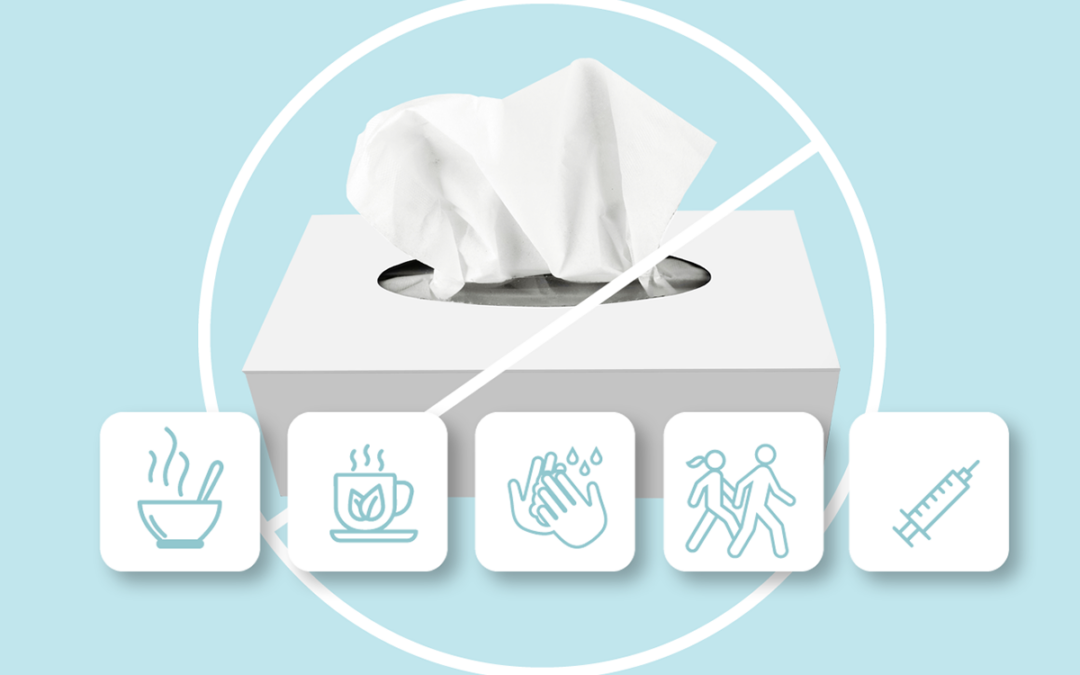
Want to stop the sniffles in their tracks this season? These five strategies will protect, nurture and support your body.
South Africa’s colder months can bring a mixed bag of winter woes. More time indoors, closer contact with others, indoor heating – the perfect conditions for colds and flu. Shorter days also affect vitamin D levels and mood. It’s not surprising that many of us end up feeling less than sunny. 

You May Also Like: