0800 229355 [email protected]
Wellness Café

Laughter is the best medicine

Sep 5, 2016

laughter_blog0916

Studies have shown time and again that prolonged negative emotions can damage the heart. While feelings like anger and hostility are deemed the usual culprits, the more passive emotions like resentment, depression and loneliness  have a more insidous impact on the heart.

“Laughter is the best medicine”, research has indicated a positive correlation between laughter and improved blood flow, blood pressure and function of blood vessels. So a giggle a day keeps the doctor away.

We can’t prevent negative thinking but finding the positive in every challenging situation, giving gratitude daily and making meaning of our lives can reduce the build up of negative emotion, lowering the impact on our heart.

Acceptance and letting go of issues you cannot resolve are powerful tools in emptying the emotional stores.

Heartmath is a technology based form of coaching which teaches you how bring your physical, emotional and mental systems into balance. With more than 20 years of scientific research behind it, the measurable benefits of Heartmath include a 60{4f397819c3de313f64bb15bf63cf5399d2450a5786b2e0fa61903b6291c0b555} decrease in Depression, 46{4f397819c3de313f64bb15bf63cf5399d2450a5786b2e0fa61903b6291c0b555} decrease in anxiety, and 30{4f397819c3de313f64bb15bf63cf5399d2450a5786b2e0fa61903b6291c0b555} improvement in sleep, all of which affects heart health. The best news is that Heartmath will soon be embedded in our coaching program for you to access through your EAP. For more information on Heartmath go to www.heartmath.com

Learning to regulate your thoughts, feelings and behaviours can be your greatest weapon for success and good health all round. Counselling through your EAP program is not only reserved for crises but our well trained counsellors and coaches can help you cultivate the habit of self regulation. Contact our call centre today to request an appointment.

LATEST POSTS

Paying attention to disability awareness

Paying attention to disability awareness

Did you know that around 8.6 million people in South Africa live with some level of disability?
That’s more than all the people living in the Eastern Cape.
Disabilities include problems with seeing, hearing, communicating, walking, remembering or concentrating, which can bring all types of day-to-day challenges. But it may not be the disability itself that causes everyday difficulty.

PSA: The blood test every man should know about

PSA: The blood test every man should know about

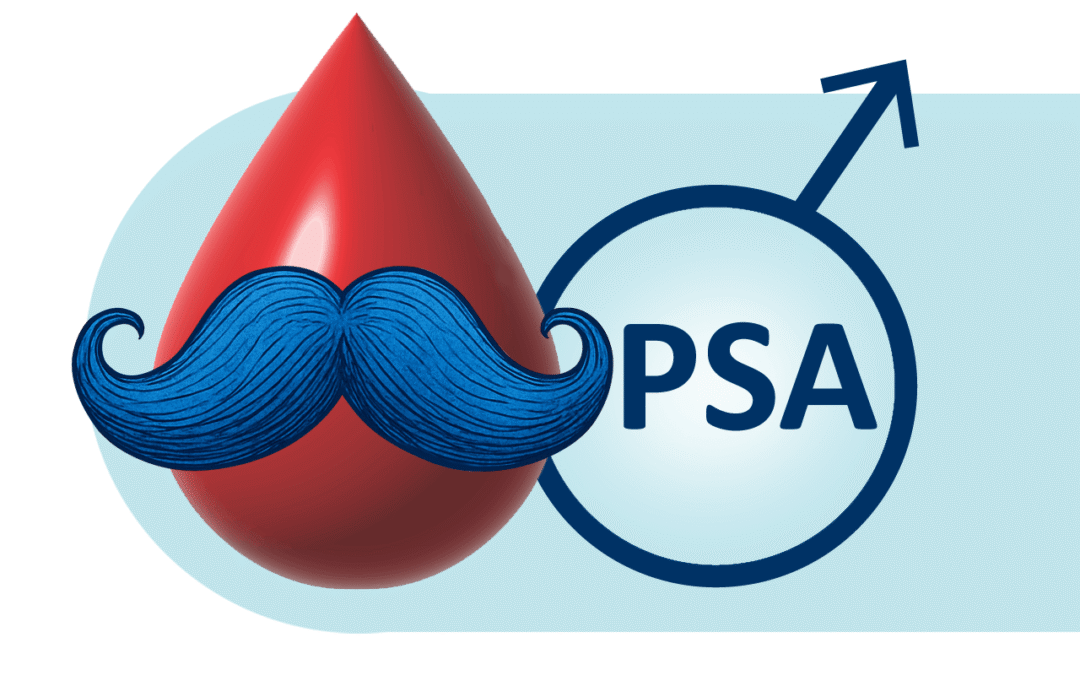
Moustache season is back! But, amid Movember’s buzz about facial fuzz, it’s important to remember what it’s all about: raising awareness of men’s health and prostate cancer.
Fortunately, prostate screening has come a long way. Now, a simple blood test lets doctors quickly identify changes that physical exams may miss.

5 surprising facts about ADHD

5 surprising facts about ADHD

Think attention-deficit/hyperactivity disorder (ADHD) is shorthand for someone who can’t sit still and focus?
In fact, it’s not an inability to focus, it’s about regulating attention. Many people with ADHD describe becoming intensely focused on some tasks – known as ‘hyperfocus’ – while struggling to start or complete things that don’t grab their attention.

When children get cancer

When children get cancer

No one wants to hear that a child has cancer. Fortunately, childhood cancer is rare and accounts for less than 1% of all cancers. 
The danger is that many childhood cancers progress very quickly, so it’s important for caregivers to be aware of warning signs – and seek help. 
With September being Childhood Cancer Awareness Month, now is the time to learn more. 

When breastfeeding does not work for you

When breastfeeding does not work for you

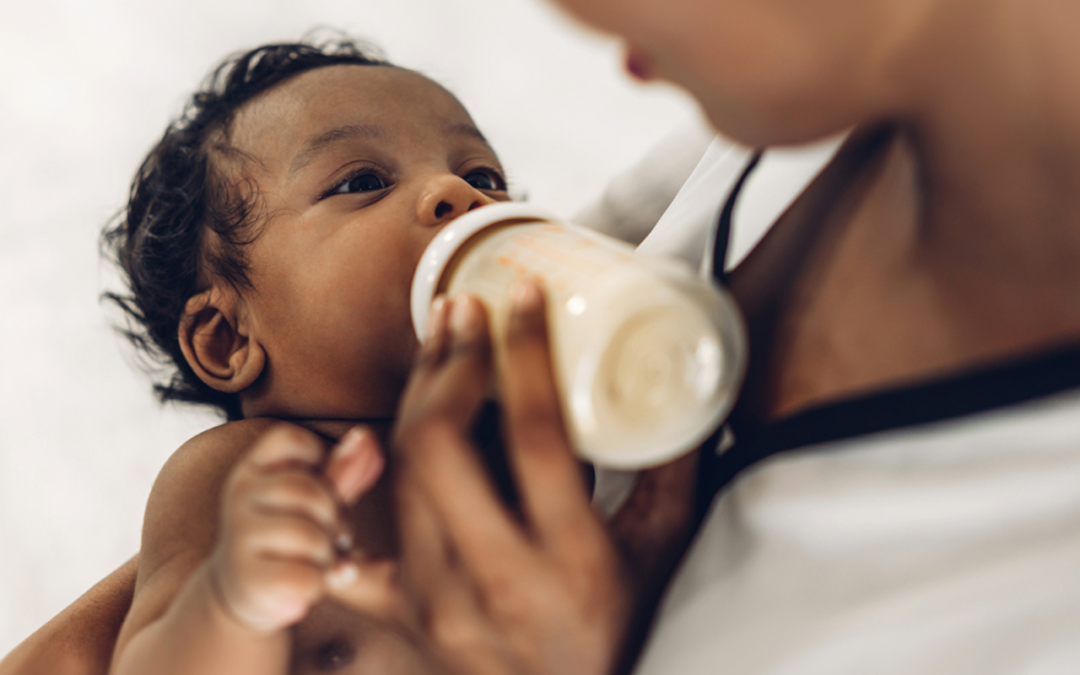
Breastfeeding is often portrayed as one of the most natural parts of motherhood – an instinctive, nurturing interaction between mother and child. But what if that image of effortless nursing doesn’t reflect your reality?
You’re not alone. In fact, 60-80% of new moms say they have difficulty breastfeeding. What’s more, in South Africa, the tally for infants under six months that are exclusively breastfed is less than one in three.

You May Also Like: