When dealing with breast cancer, a mastectomy may become necessary. Here’s advice for dealing with its emotional impact.
Think of the women you know; your family members, friends and colleagues. Odds are that at least one woman in your circle will develop breast cancer – in South Africa, the risk is 1 in 27.
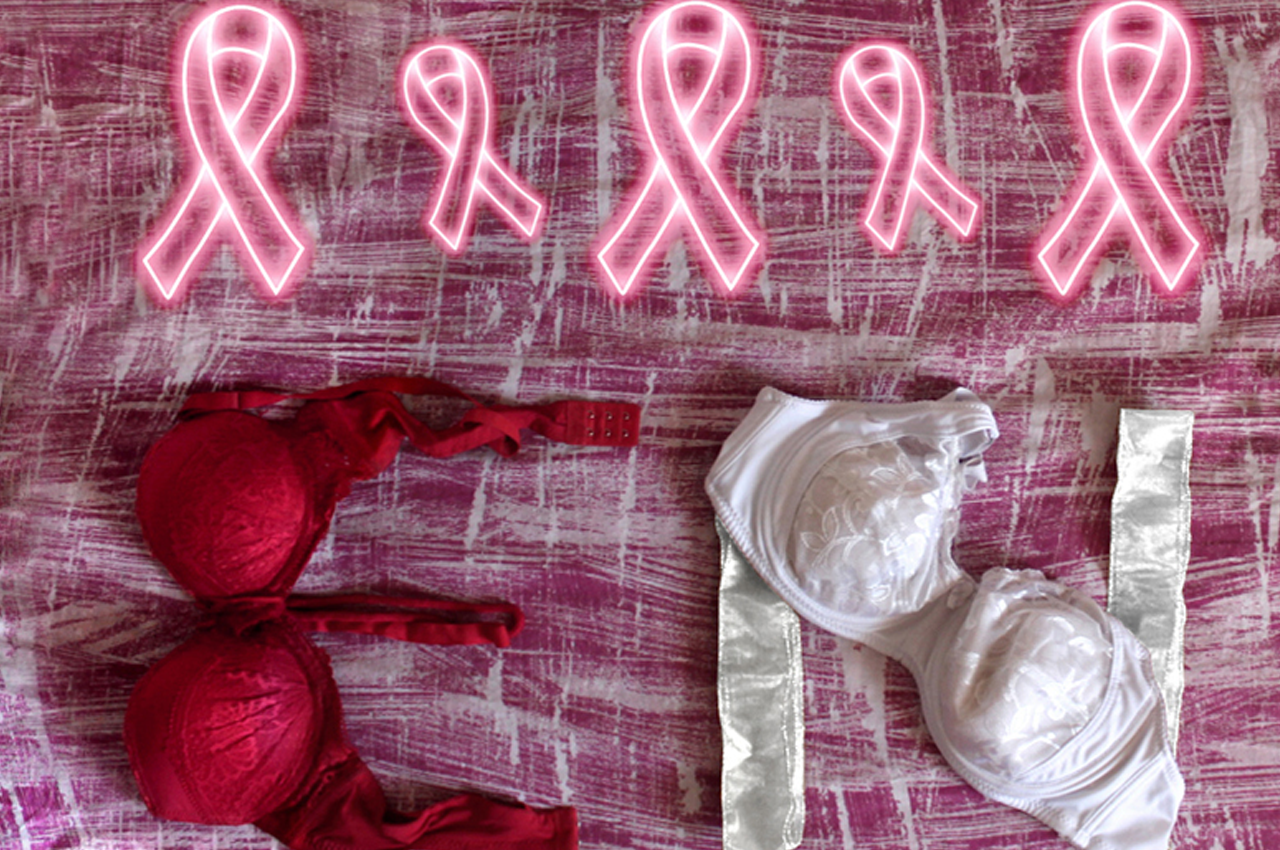
Every October, we mark Breast Cancer Awareness Month by wearing pink ribbons upon the very breasts we’re reminded to look after. Breast cancer can be asymptomatic. Without early detection, it can spread throughout the body before we even know it’s there. Stopping the spread is critical, which is why monthly self-examination and tests like mammograms can save lives.
Breast surgery
But what if you have discovered something and hear the dreaded words, “You need a mastectomy”? Removing part of or the entire breast(s) could prevent cancer from spreading, but the prospect brings with it overwhelming emotions. Breasts are a powerful symbol of femininity, so the thought of removal may be a blow to your sense of self.
As with all life’s challenges, how you approach things can get you through. Here are some steps to set you on the path to recovery.
- Be prepared
Forewarned is forearmed, so find out as much as possible; from tips on prepping for the surgery to what to expect throughout the process, and what your options are. Don’t forget YouTube – it’s packed with first-person experience videos with which you may identify like What I Wish I Knew Before My Mastectomy.
- Grieve your breast
It’s completely normal to feel a rollercoaster of emotions. Shock, anger, sadness, numbness, despair, and more, are all part of grief. Women tend to try to “keep it together” for everyone else, but the only way past grief is to go through it. So allow yourself to go through it in a way that’s right for you. Studies show that marking the change is an important part of the grieving process – which is why funerals help. In this case, consider doing something meaningful, whether it’s planting a tree, getting a tattoo, or just saying goodbye in your own quiet way.
- Get to know the new you
Breasts are right there in front of us so we cannot help but see the change following a mastectomy. The general recommendation is to view the area sooner rather than later to start adjusting to the new you.
- Embrace your femininity
Your breast may be gone, but it doesn’t change who you are. Remind yourself of what femininity means to you beyond this outward sign; celebrate your warmth, tenderness and sensitivity. Show yourself some love with a pamper treatment, and fabrics that look and feel good.
- Seek support
You aren’t the only one in this scary boat – someone out there does “get it”. Reach out to support groups, join online forums like breastcancer.org, listen to podcasts like The Breast Cancer Podcast by Dr Deepa Halaharvi and Monica Brooks, read blogs like The A to Zee of BC, and consider seeing a counsellor specialising in helping mastectomy survivors.
If you’re supporting someone who’s going through this and wondering what to do, remember your job is to be there, not to try and jolly them along. Ask what they need and respect that. And, whether you’re a survivor or a supporter, remember that women are stronger than they think. You can do this.