
It’s something that has puzzled researchers from the start of the pandemic – why do some people experience severe illness, and others do not? These differences extend beyond known risk factors – like age, and existing disease.
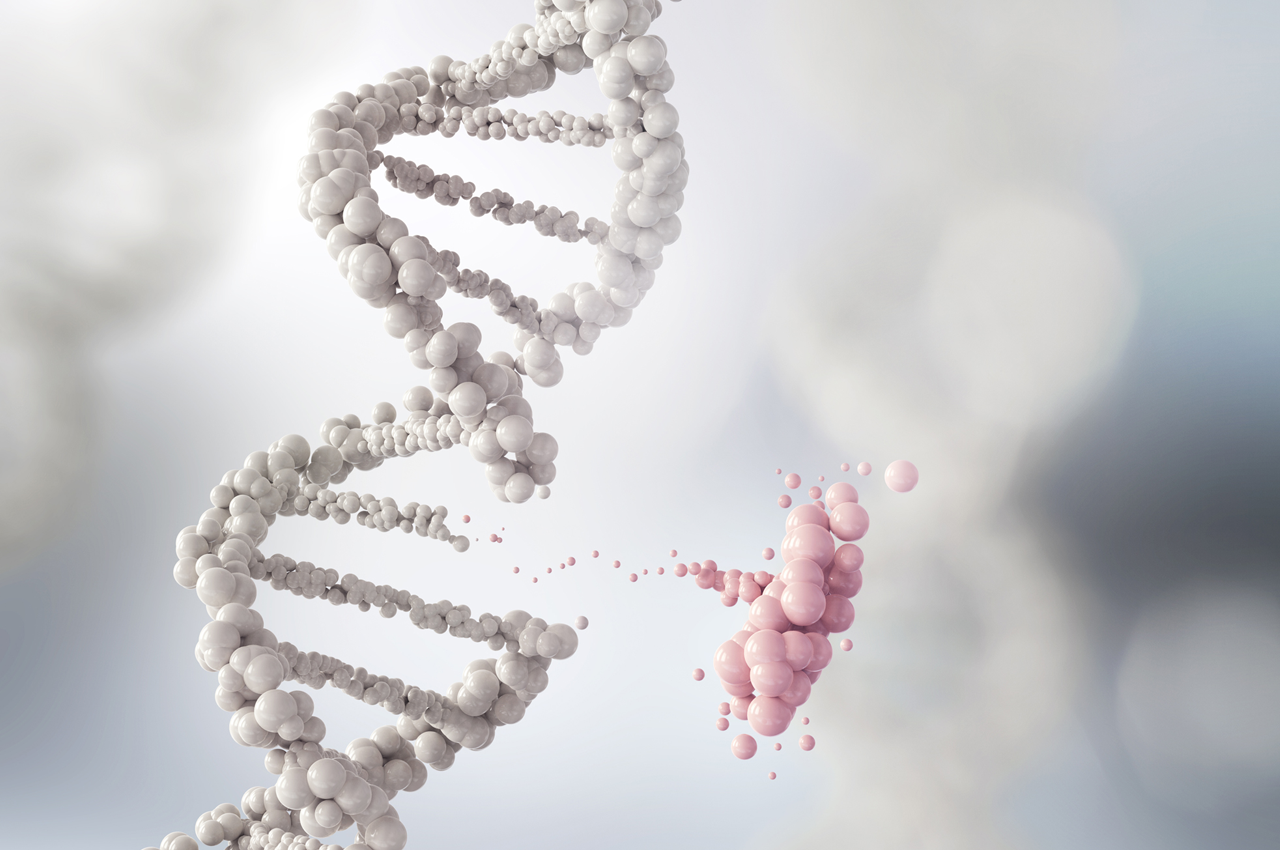
To answer this question, researchers began studying the genetics of people exposed to the SARS-CoV-2 virus and were able to identify links between developing the disease and variations in specific parts of their DNA.
What they found was that a region on chromosome 3 (called 3p21.31) is significantly associated with severe COVID-19 and increased risk of respiratory failure and death. The possible reason for this is that this region of DNA is specifically associated with inflammation – one of the biggest culprits in COVID-19 disease severity.
Interestingly, what they also discovered was that there is a protective region on chromosome 12, associated with a reduced risk of intensive care for COVID-19 patients. They suggested that this region plays an important role in counteracting viral attacks, which would explain why people with this variation did not get as sick.
So, what does this mean for you? Well, unless you have a genetic test, you won’t know if you have the COVID-19 genes. The point to remember is that your genetic make-up is not your destiny (so don’t blame your parents) – you actually have the power to outsmart them. Your lifestyle choices can essentially turn your genes ‘on’ or switch them ‘off’. Decisions you make about how much TV to watch (hopefully as little as possible), and what foods to eat (lots of fresh food and no fast foods) can actually make changes at the level of your DNA. This, in turn, can lower your risk of disease… be that COVID-19, heart disease or cancer.
References:
- Zeberg, H., Pääbo, S. The major genetic risk factor for severe COVID-19 is inherited from Neanderthals. Nature 587, 610–612 (2020).
- Zeberg, H., Pääbo, S. A genomic region associated with protection against severe COVID-19 is inherited from Neandertals. PNAS (2021)
- Kousathanas, A., Pairo-Castineira, E., Rawlik, K. et al. Whole genome sequencing reveals host factors underlying critical Covid-19. Nature (2022)