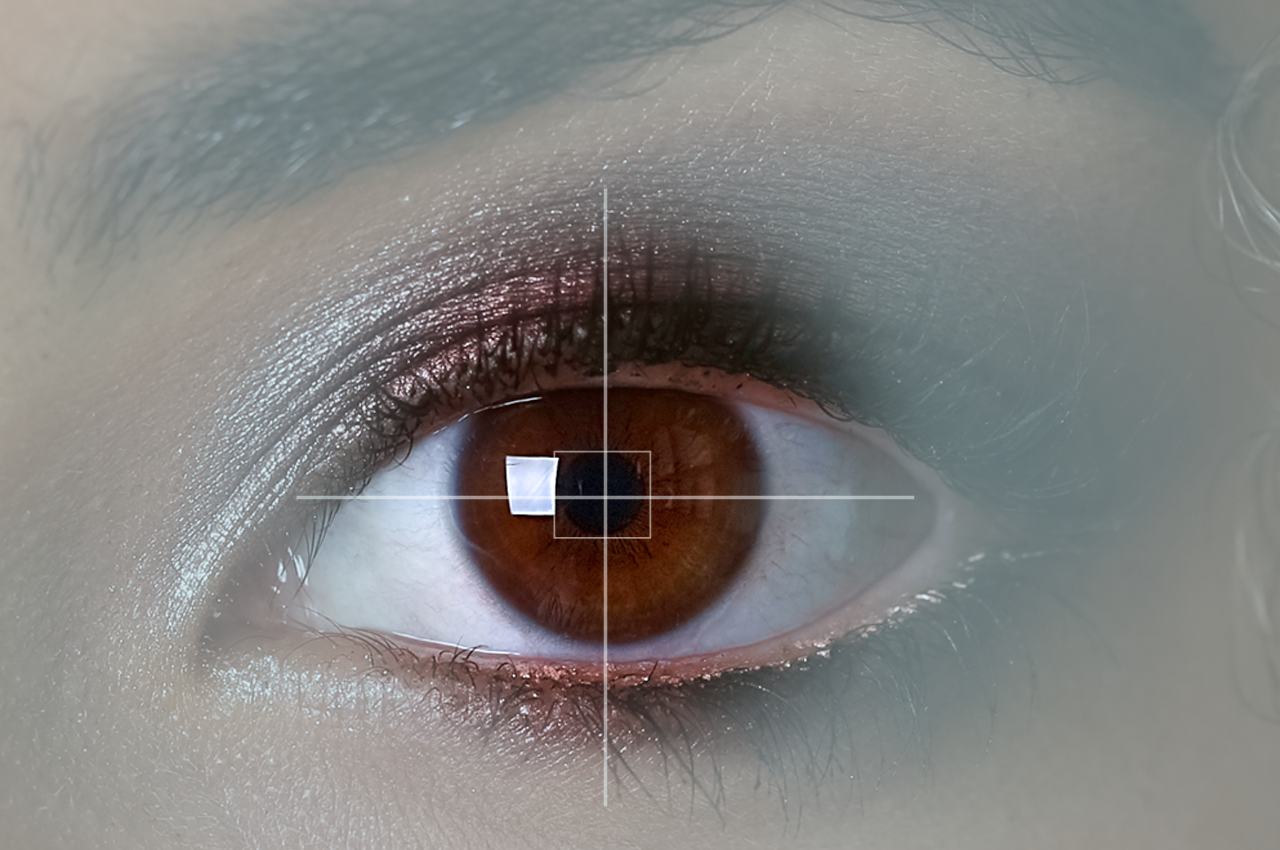
Glaucoma is known as “the silent thief of sight” because it doesn’t hurt, it doesn’t warn you and it doesn’t wait. In South Africa, many people only get diagnosed once they’ve already lost vision in one eye.
Make an eye test part of your health routine – it could save your sight.
What is glaucoma?
It’s a condition caused by high pressure within the eye.
Think of your eye as a balloon filled with fluid, which is constantly made and drained. If it doesn’t drain properly, pressure increases and over time it causes stress on the optic nerve, slowly damaging the nerve fibres that allow you to see. This leads to vision loss, usually starting at the sides (peripheral vision).
Focus on eye checks
Fortunately, with early detection, doctors can slow glaucoma and stop you from going blind.
Regular eye exams can pick up the rising pressure and early nerve damage, long before you notice anything – and before it causes more damage that affects your eyesight.
An eye exam is quick, painless and non-invasive (no painful instruments involved). Routine appointments take around 20–30 minutes.
At the appointment, an optometrist or ophthalmologist will chat to you about your eye and general health, then perform checks such as:
- Shining a bright light into your eyes to check your optic nerve and blood vessels.
- Measuring pressure with a gentle puff of air blown onto your eyes.
- Testing your visual field and eyesight.
How often should you get checked? Every 1–2 years for healthy adults, more for those at high risk.
Are you at risk?
Anyone can develop glaucoma, but risk increases if you:
- are over 40.
- have close family members with glaucoma.
- have a chronic health condition such as diabetes, high blood pressure, kidney disease or vitiligo.
- are of African ancestry, which is linked with earlier onset – around a decade earlier – and more aggressive forms.
- are female – women make up 60% of cases.
How is it treated?
Glaucoma can’t be reversed but it can be managed. Treatment focuses on slowing the condition and may include:
- eye drops
- laser treatment
- medication
- regular monitoring
Reference
South African Glaucoma Society