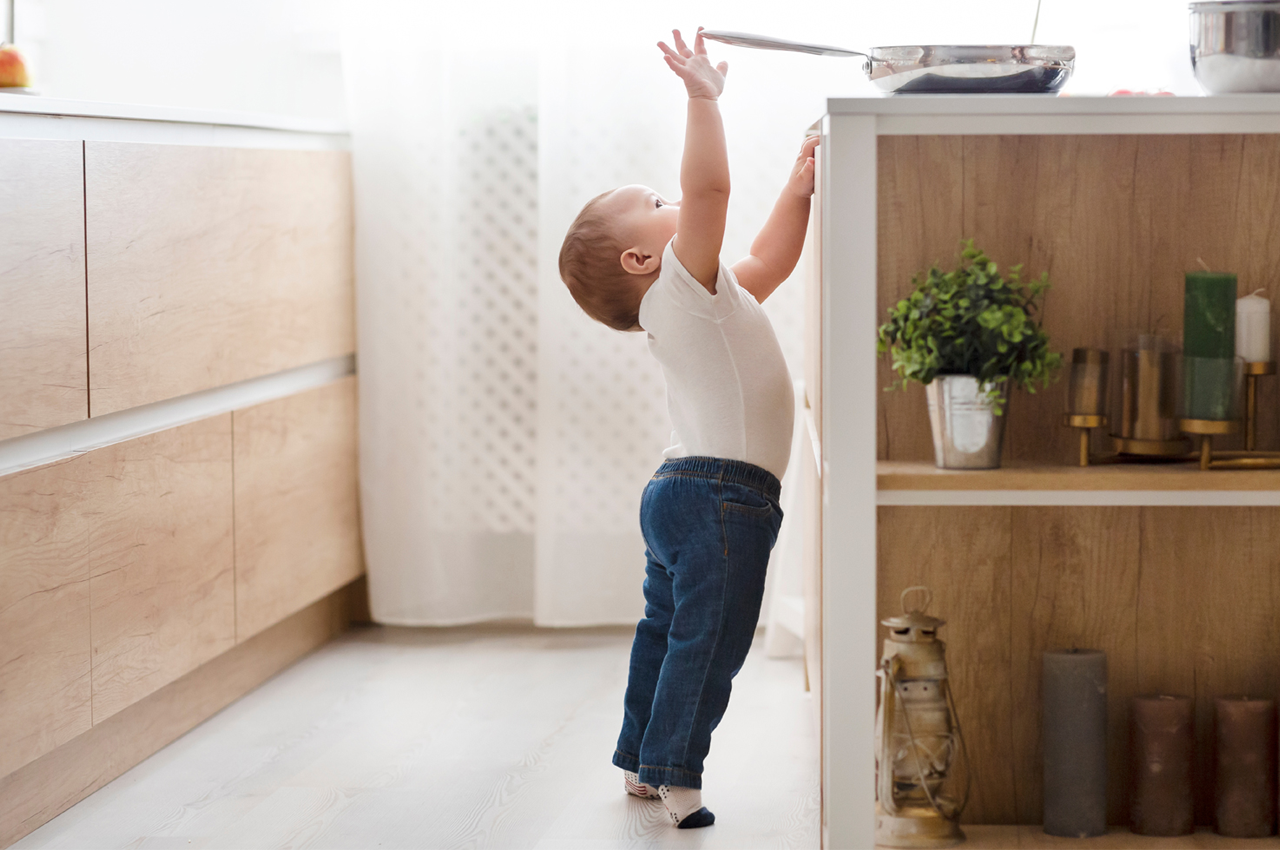
About 90% of all burn injuries happen in the home, with the kitchen being the hot spot so to speak. Open flames, paraffin stoves and scalding liquids can turn everyday activities into serious risks.
The first few minutes after a burn accident are critical, yet many people turn to old home remedies – that can make things far worse rather than better.
DON’T USE
- Butter: Believed to soothe the pain and promote healing. But butter actually traps the heat and can ‘cook’ the skin more, making the burn worse.
- Toothpaste: The abrasives and detergents that make your teeth shiny and white will irritate the burn and increase the risk of infection.
- Ice: It does make sense to add something very cold to some hot to cool it down quickly. But, in the case of a burn, this isn’t true. While it will numb the pain, ice also burns (think frostbite). It can restrict the blood flow to the wound and reverse healing.
- Egg white: Another favourite, raw eggs may contain salmonella – bacteria that can cause an infection that can lead to sepsis or even death.
- Adhesive coverings: Products like plasters and cotton wool stick to the wound and cause more damage when removed.
DO
The ABC for burns before treating the wound
AIRWAYS
Look for:
- burns to face or neck.
- soot around mouth or nose.
- hoarse voice, coughing or breathing difficulty.
These may suggest airway injury – this is urgent.
What to do
- Keep the person sitting upright if possible.
- Call emergency services immediately if breathing is affected.
BREATHING
Check that breathing is adequate and not restricted.
- Severe burns around the chest can make it hard to breathe,
- Watch for fast, shallow, or laboured breathing,
What to do
- Loosen tight clothing
- Ensure fresh air
- If not breathing → start basic life support (CPR if trained)
CIRCULATION
Check blood flow and look for shock or severe injury.
- Signs of shock:
- Pale, clammy skin
- Weak pulse
- Dizziness or confusion
What to do
- Lay the person down (if no breathing issues)
- Elevate legs slightly
- Cover burns with a clean cloth or dressing
- Keep them warm (but don’t overheat)
Once ABC is stable, treat the burn itself:
- cool the burn under running cool water for 20 minutes.
- remove anything tight (such as jewellery) near the burn, unless it’s stuck to the wound.
- cover the burn with a clean, non-stick dressing or cloth.
- seek medical help.
Why fast action is vital
When burns happen, the skin keeps burning (and the injury deepens), even after the heat source is removed. Just think how food keeps cooking in the minutes after you take it off the stove. But when you immediately cool the injury, it slows or stops this process, reducing pain, swelling and scarring.
Understanding burns
Burns are classified based on which skin layers are affected. The degree of the burn decides the treatment.
First degree: Red, painful, no blisters – think mild sunburn. Only affects the top skin layer and generally heals within 3-14 days.
Second degree: Affects deeper skin layers, and causes blistering, pain, swelling and redness.
Third degree: Damages all skin layers and even deeper tissue – a medical emergency.
Prevention tips
Reduce the risk of burns at home by:
- turn cooking pot handles inward.
- keep hot drinks, heaters and candles out of children’s reach.
- use covers for hot water bottle and supervise use.
- avoid unstable paraffin stoves or fire drums indoors. If used, place on a firm, flat surface (like a tile) and never leave unattended.
- switch off heaters and snuff out candles before bed.
- switch on the cold tap first, then add hot water when running a bath.
Reference
ER24 Burns and fire safety l Burnshield® blog l ChildSafe