0800 229355 [email protected]
Wellness Café

When TB does not look like TB

Mar 2, 2026

When TB does not look like TB

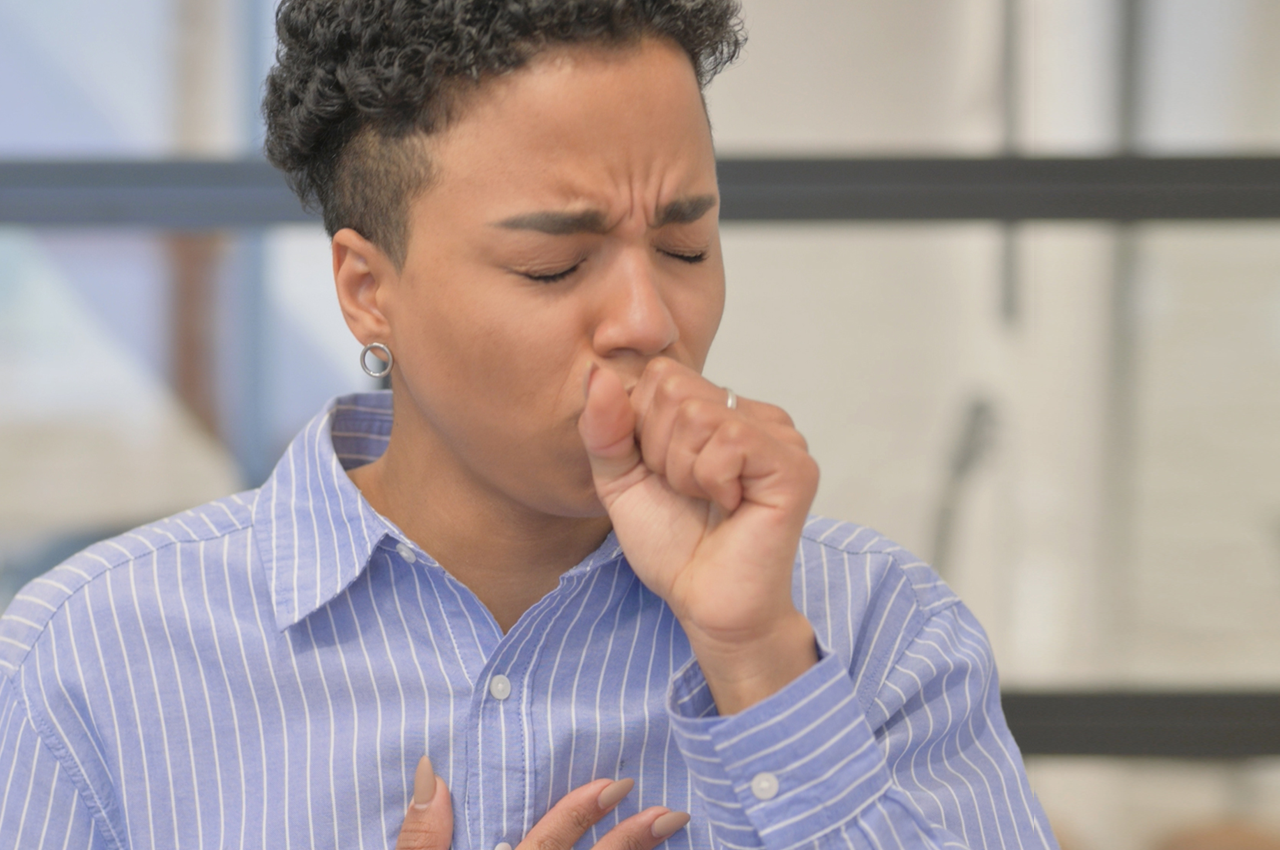
When you think of tuberculosis (TB), you think about someone with a bad cough, right? While this is mostly the case, it isn’t the full picture, because the disease can affect areas outside the lungs.

How does extrapulmonary TB happen?

TB is a bacterium that’s spread through the air when active sufferers cough, sneeze, spit, sing or talk.

It’s estimated that around 80% of South Africans are infected with TB. Fortunately, most never get sick (latent TB), but some develop the disease.

In around 15% of cases, the infection spreads to other parts of the body via the blood stream, causing extrapulmonary TB (extra = “outside”, pulmonary = “lungs”). It can affect any organ â€’ from the skin to the spine, brain, lymph nodes, intestines and even the uterus and testes.

Extrapulmonary TB is generally not infectious on its own. But up to 70% of sufferers also have TB of the lungs – and that is contagious.

Are you at risk?

People with weakened immune function are at highest risk of developing extrapulmonary TB. Up to 30 % of HIV patients manifest extra-pulmonary TB. That’s why HIV is the number 1 risk factor in South Africa.

Others include:

  • Young adults (25 -44 years)
  • Diabetes
  • Poor nutrition
  • Substance abuse
  • Individual with other immunosuppressive conditions
  • Women
  • Immune-suppressive medication

Diagnosis is tricky

Extrapulmonary TB is hard to pick up due to:

  • Non-specific symptoms: Symptoms are general, such as tiredness, weight loss, and aches and pains that mimic other conditions. You may not even have a cough.
  • Low awareness: People brush off symptoms, thinking it’s something minor.
  • Complex testing: Blood tests, scans and even biopsies may be needed.

Treatment works – if you stick to it

With TB, the treatment is sometimes worse than the cure. Very strong antibiotics, taken for at least six months, are needed, and these can make you feel sick. But finishing the treatment is crucial. Stopping too soon can mean that when the infection returns, it is usually resistant to drugs, making it harder to treat.

Reference

National Institute for Communicable Diseases: Extrapulmonary TB

LATEST POSTS

Glaucoma: You do not see it coming

Glaucoma: You do not see it coming

Glaucoma is known as “the silent thief of sight” because it doesn’t hurt, it doesn’t warn you and it doesn’t wait. In South Africa, many people only get diagnosed once they’ve already lost vision in one eye. 
Make an eye test part of your health routine – it could save your sight. 

Taking care of your baby starts before birth

Taking care of your baby starts before birth

Antenatal care – the healthcare you receive during pregnancy – is so important that the World Health Organisation recommends at least eight visits throughout pregnancy, ideally starting before 10 weeks.

Myth-busting the HPV vaccine

Myth-busting the HPV vaccine

FACT: Around 11 000 South African women are diagnosed with cervical cancer, with 5 900 dying of the disease every year.
One of the main causes of cervical cancer is human papilloma virus (HPV). Despite the Department of Health’s vigorous campaign to immunise again the virus, myths and misunderstandings persist about the vaccine,  preventing many people from getting this life-saving protection.

Make 2026 your best year yet… Naturally

Make 2026 your best year yet… Naturally

“New Year, new you” messages are everywhere right now, but putting too much pressure on yourself to stick to rigid resolutions and harsh self-criticism will set you up for failure.
What if there’s a better way to making 2026 your year waiting for you outside?

The cancer myth that puts darker skin at risk

The cancer myth that puts darker skin at risk

The belief that people with darker skin can’t get skin cancer is simply false. In reality, anyone can be affected.
When people assume their skin tone protects them from the sun, they may overlook warning signs.
As a result, skin cancer in darker-skinned individuals is often caught at a more advanced stage, making treatment more difficult. Yet, skin cancer is highly treatable if caught early.

You May Also Like: