
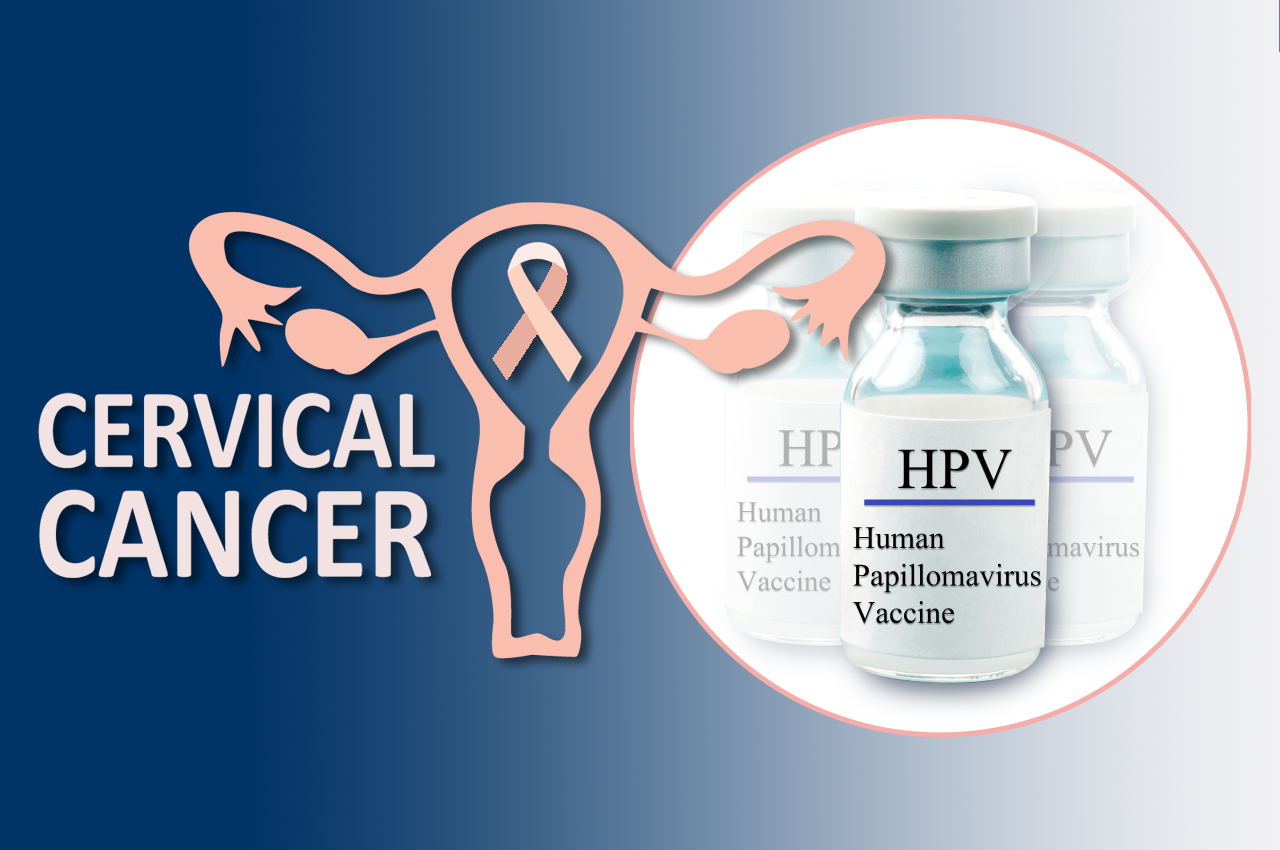
FACT: Around 11 000 South African women are diagnosed with cervical cancer, with 5 900 dying of the disease every year.
One of the main causes of cervical cancer is human papilloma virus (HPV). Despite the Department of Health’s vigorous campaign to immunise again the virus, myths and misunderstandings persist about the vaccine, preventing many people from getting this life-saving protection.
We bust seven of the most common HPV vaccine myths.
-
Myth: HPV is rare
Fact: 80-90% of people will get an HPV infection during their lifetime. There are over 150 types of this contagious virus, many of which are spread through sexual contact.
The majority are harmless and a few cause benign warts. But a handful of sexually transmitted HP viruses are harmful, carrying a high risk of turning into cancer.
-
Myth: HPV can’t cause cancer
Fact: Over 99% of cervical cancer cases are caused by around 14 strains of sexually transmitted HPV. And they don’t just affect the cervix – nor only women. HPV is also linked to cancers of the anus, penis, head and neck.
-
Myth: The vaccine doesn’t work
Fact: If given correctly and before first contact with the virus, it reduces the risk of developing cervical cancer by over 90%, with long-lasting protection. This makes it one of the most effective vaccines ever created.
-
Myth: You only need it if you’re sexually active
Fact: Just like you can’t put on a seatbelt once you’ve already been in an accident, the HPV vaccine must be given before exposure.
It’s recommended that routine shots be given from age 9-14, with catch-ups up to age 26. In South Africa, the HPV vaccine is administered to girls in Grade 5 as part of a school campaign, but boys and females who missed out can have the jab privately.
-
Myth: The vaccine isn’t necessary if you get regular Pap smears
Fact: By the time a Pap smear detects abnormalities, HPV may already have occurred years ago.
Screening is designed to detect early changes so you can get treatment sooner, not prevent infection – that’s the job of the vaccine. Vaccination and screening work best together.
-
Myth: HPV vaccines cause infertility
Fact: Hundreds of long-term studies have found no proof that the HPV vaccine causes infertility.
What can impact fertility is complications of the HPV infection and treatment for cervical cancer caused by it.
-
Myth: Only women and girls need to be vaccinated against HPV
Fact: HPV is very common and spreads through skin-to-skin sexual contact. In boys and men, HPV can cause:
-
-
- genital warts
- cancers of the throat (oropharyngeal cancer), anus, and penis
- transmission of HPV to partners
-
Vaccinating boys:
-
- protects them directly from these cancers and warts
- reduces spread of HPV in the population
- helps protect future partners
Safety and effectiveness
-
- The HPV vaccine has been extensively studied and is very safe
- Side effects are usually mild (sore arm, low-grade fever)
- It is most effective when given before exposure to HPV, which is why it’s recommended before sexual activity begins
Common concern
Contrary to popular belief, studies consistently show the vaccination does not encourage early sexual activity.
Reference
Department of Health Expanded Programme on Immunisation