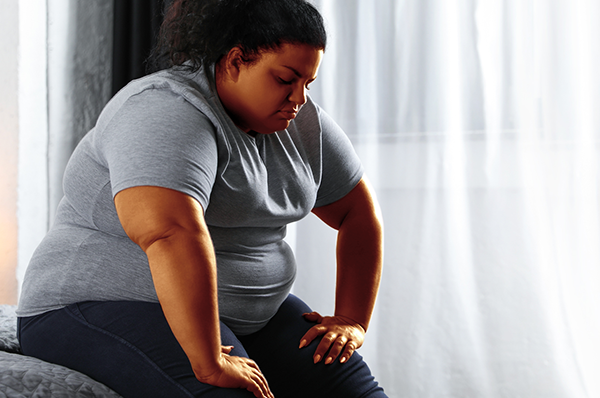
Tackling weight loss can feel as daunting as scaling Kilimanjaro. Most attempts fail because you make big dramatic changes to the way you eat that aren’t sustainable. The best way to climb any mountain is one step at a time.
Rather make small, simple changes to your diet that you can stick to.
- Downsize portions
Start by dishing up less. For example, take one slice of bread or one piece of chicken instead of two. Once you’re used to the smaller portion, reduce it again, gradually working towards your goal.
Fool your eyes – and your belly – by using a smaller plate. We tend to overindulge when given larger portions.
- Upsize veg
Pile that plate with colourful veggies. Bulking up meals with vegetables improves the flavour, increases your fibre and vitamin intake, and keeps you full for longer.
Sneak in a few extra by adding:
-
- cucumber in sarmies,
- butternut in bobotie,
- cauliflower in mac ‘n’ cheese,
- vegetables on sosaties, or
- chakalaka or kimchi for flavour.
- Go whole grain
In the world of diet trends, carbs have become the bad guy. You can still enjoy your bread and pasta by swopping to whole-grain versions.
Stock up on brown rice, whole-wheat pasta and whole-grain bread. Whole grains also have more minerals and fibre. Your digestion will thank you.
- Switch to low-fat dairy
According to the British Heart Foundation, switching from full-cream to low-fat or skimmed milk, yoghurt and cottage cheese could cut up to 1kg of fat a year from your diet.
- Drink smarter
Fizzy cool drinks taste great, but are a major source of hidden calories. Plain water is best, but if that seems boring, try adding slices of fruit (e.g. lemon, strawberries or apple) or fresh herbs (e.g. mint, rosemary or basil).
- Lean your protein
-
- Replace fatty cuts with leaner ones (think chicken breast instead of drumsticks).
- Cut off any fat you can see.
- Use lower fat cooking methods such as steaming or grilling.
- Try plant-based protein, such as lentils and chickpeas.
- Can’t live without a braai chop? Make it an occasional treat, not a daily one.
- Order smarter
You can still eat out, with small changes and in moderation:
-
- Share meals instead of having the whole portion.
- Choose healthier options, such as grilled fish and veg instead of deep-fried fish ’n’ chips.
- Order a small low-fat latte instead of a grande with extra syrup.
- Take fresh salad to bring ’n’ braais rather than something like garlic bread or potato salad.
These small changes can add up to a much healthier way of eating – and a lower number on the scale.
Reference
- Heart Foundation