Home is where we should feel safest, but it’s often where people end up hurt or needing the hospital.
The main causes of household injuries are trips and falls, burns, choking, poisoning and drowning. Any of these can happen in a moment and transform life forever. But you can prevent them with a few basic safety measures.
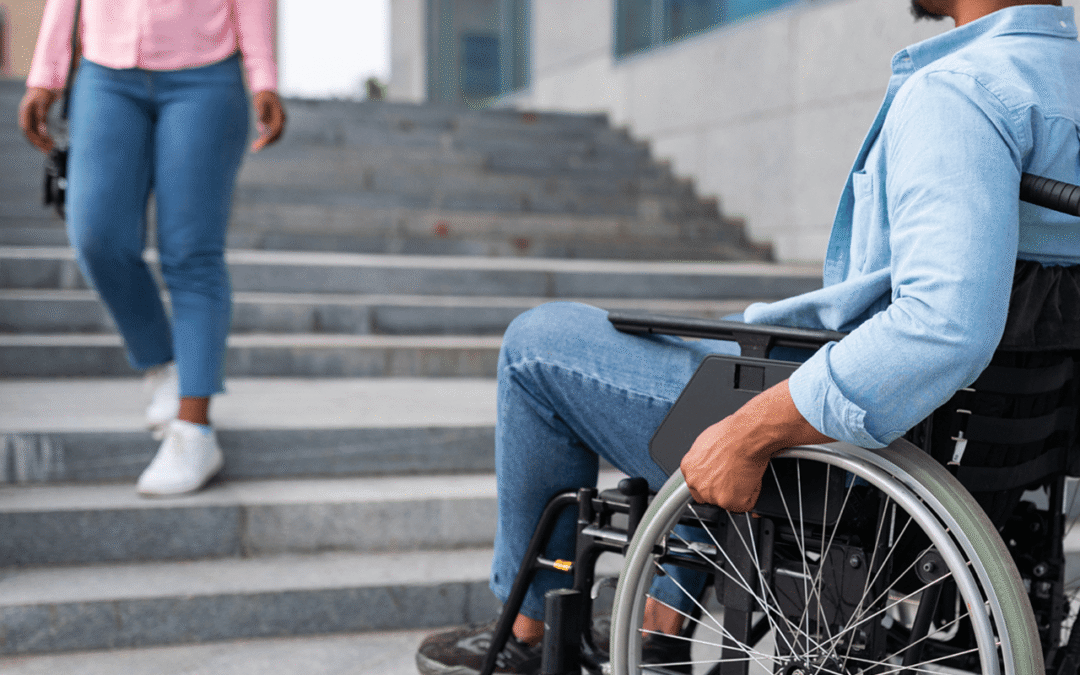
Put a stop to falls
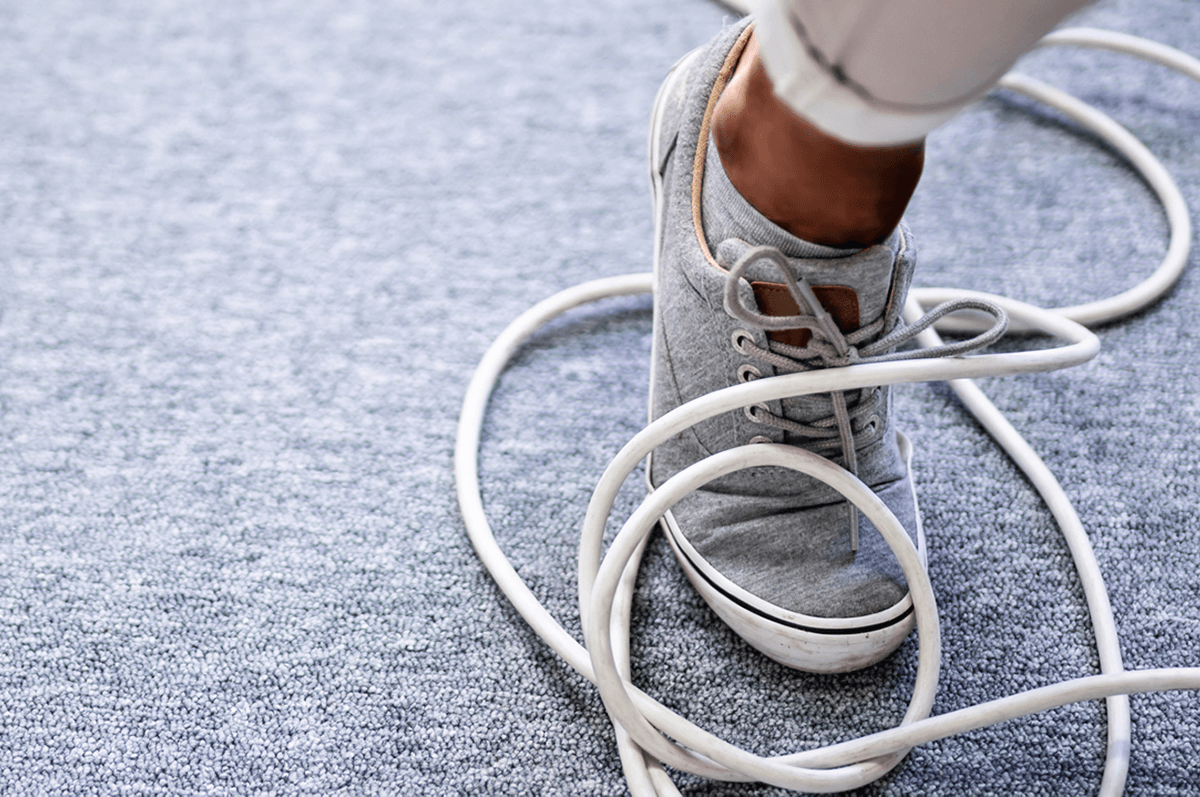
- Declutter: Keep passages, walkways and stairs clear of cables, boxes and other “stuff”.
- Secure: Use gripping tape or non-slip underlay under loose mats and carpets. Ensure their corners lie flat.
- Clean: Dust, sprays and water spills can cause a slip – clean them away ASAP.
- Light: Ensure walking areas are well lit and light switches accessible. Motion-sensor lights provide a hands-free, energy-saving alternative.
- Support: Install handrails on stairways, grab rails in bathrooms and safety railings around raised areas.
Stamp out the risk for burns
- Cooking: Don’t leave cooking unattended. Turn handles inwards and keep hot food and liquids away from edges.
- Braais: Never use petrol, alcohol or paraffin to start/revive fires. Keep children and animals away from flames.
- Fuel stoves, heaters and lamps: Place these on flat, stable surfaces – well away from fabrics and anything that can catch on fire. Never leave heat sources unattended.
Did you know? The Red Cross Children’s Hospital alone treats 3 500 children each year for burns. Never carry babies or children when handling hot liquids and don’t leave children alone if there’s something on the stove.
Remove choking hazards
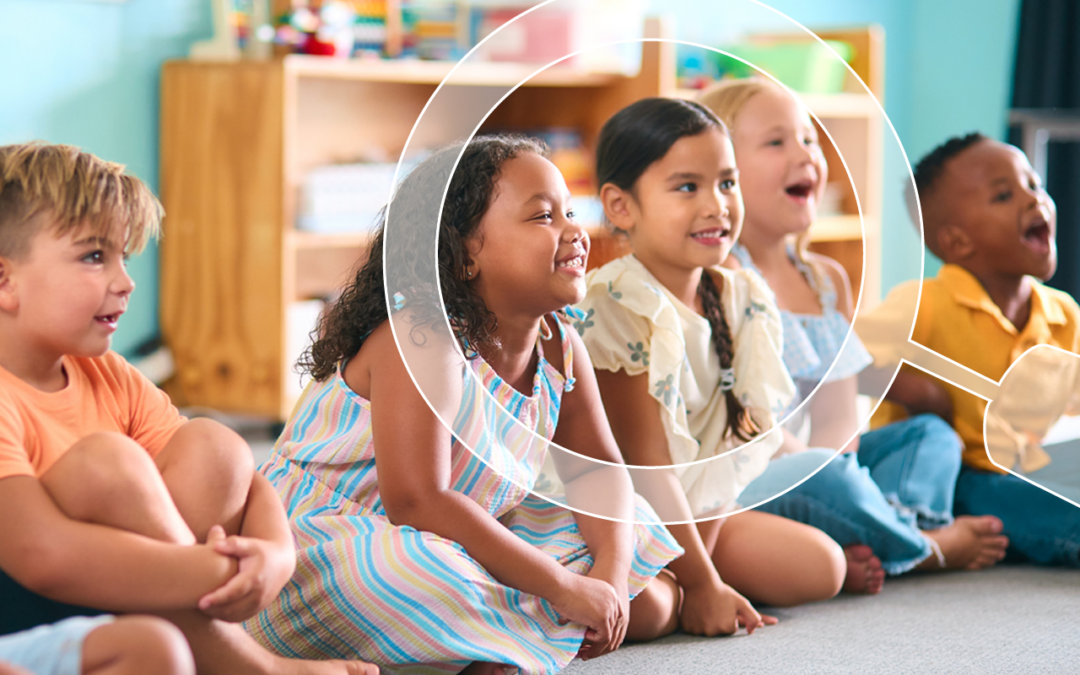
- Small objects: Young children love exploring, so keep coins, small toys, marbles, button batteries and magnets out of reach.
- Wires: Secure cords and long cables so they can’t wrap around a throat by accident.
- Food: Chew slowly and avoid talking and drinking with food in your mouth. Cut food into bite-sized pieces. With young children, avoid nuts, whole grapes or berries, popcorn, chewing gum, marshmallows and small sweets.
Clear out potential poisons
- Lock up: Poisons aren’t just deadly pesticides. You also need to safely store cleaning products, chemicals, batteries, medications and cannabis edibles. Keep them locked away, well out of children’s reach.
- Medicine safety: Always follow dosage directions and keep all medicines safely stored, especially those that look like sweets.
- Don’t decant: Chemicals and poisons should be clearly labelled. Never store them in food or drink containers.
Be wise about water
- Supervise: Never leave children or people under the influence of excessive alcohol intake, illicit drugs or medication that may cause drowsiness alone around pools, ponds or the sea.
- Drain: Buckets, baths and other water containers are a surprisingly common place for children to drown, so empty after use.
- Close: Keep toilet lids down and bathroom doors shut, and ensure pools are securely fenced.
Reference
- ChildSafe