On 28 July, World Hepatitis Day puts the spotlight on protecting your liver. Here’s what you need to know.
Most of us have heard of hepatitis and know it affects the liver. You may also know that it can cause jaundice, where your skin and the whites of your eyes go yellow. What you may not realise is that it is not a single disease, but a group of conditions that cause liver inflammation – each with different causes and outcomes.
It’s also more common than people think. In South Africa, around 4-6 million people have chronic viral hepatitis.
When the liver takes strain
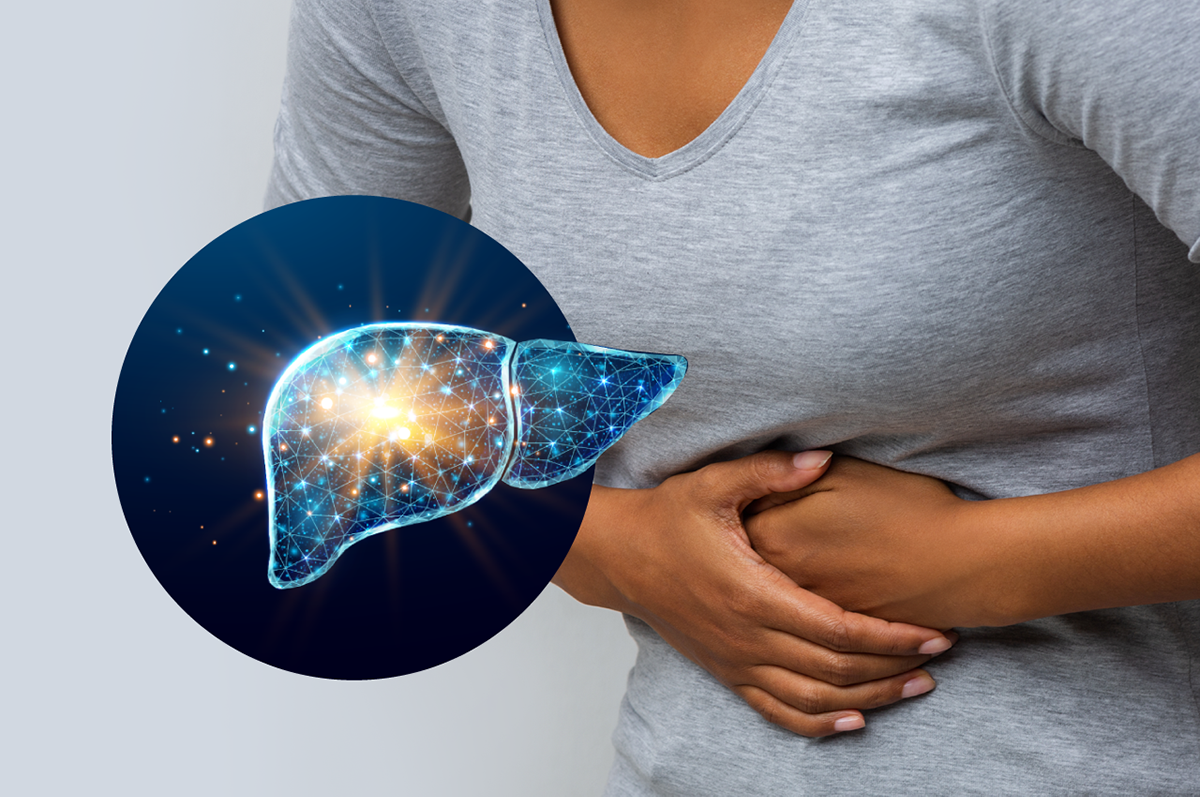
Hepatitis simply means inflammation of the liver – the organ which filters toxins from blood, processes nutrients, makes bile for digestion and supports immune function.
Your liver is amazing. It’s not only the biggest organ inside the body, but also the only one that can regenerate itself. Even if up to 70% of the liver is removed, the organ can regrow and restore its function.
Although the liver can repair itself and recover from many injuries, ongoing inflammation overwhelms its healing ability. The result is liver damage, liver failure, or liver cancer. This process is often silent and can take years, meaning damage may be serious – even irreversible – long before symptoms appear.
Types of hepatitis
There are five main types of viral hepatitis:
- Hepatitis A:
– spread through contaminated water or food
– often feels like a tummy bug
– generally short term - Hepatitis B:
– spread through blood and body fluids
– can become chronic
– frequently occurs alongside HIV because they are transmitted similarly - Hepatitis C:
– blood-borne
– usually symptom free until damage has occurred - Hepatitis D:
– only occurs in those already infected with hepatitis B
– chronic - Hepatitis E:
– spreads through contaminated water
– similar to hepatitis A
Non-viral hepatitis occurs from alcohol abuse, fatty liver disease, drugs or toxins, or autoimmune disease.
Prevention and treatment
While not all types of hepatitis are preventable, risks can be reduced significantly.
- Vaccinations protect against types A and B (and, indirectly, D).
- Practise safe sex to prevent infection.
- Don’t share needles or personal items.
- Wash hands after using the toilet or changing nappies and before preparing food.
- Boil water if unsure about its safety.
Treatment depends on the type.
- Hepatitis A and E usually recover on their own with supportive care.
- Hepatitis C is highly treatable with antiviral medication.
- Hepatitis B and D can be controlled but are usually incurable.
In all cases, the body needs supportive care. That means rest, a light, nutritious diet and avoiding alcohol.
Seek medical advice
If you experience jaundice, dark urine, abdominal pain, chronic tiredness and nausea, or were exposed to unprotected sex or contaminated blood, see a healthcare practitioner.
Reference
National Institute for Communicable Diseases