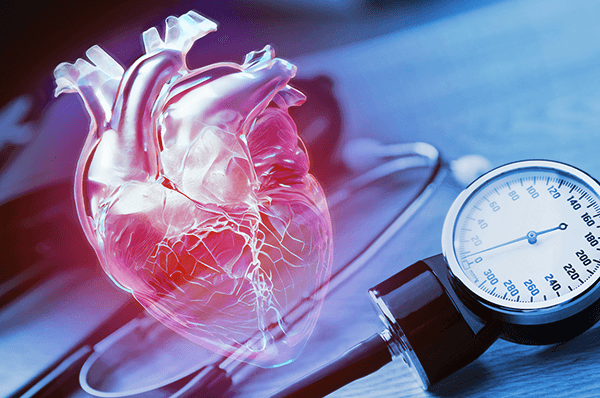
Each year, thousands of South Africans miss the signs of a heart attack or wait too long to get help. On World Heart Day – 29 September – take a few beats to brush up on your knowledge.
Know your risk factors
Anyone can have a heart attack, but some of us are at higher risk. These risk factors include:
- your family history.
- age – over 45 for men and 55 for women.
- high blood pressure.
- high cholesterol.
- being overweight (a waist measuring over 94cm for men or 80cm for women indicates excess abdominal weight, predisposing you to heart attack).
- lack of exercise.
- tobacco use, including cigarettes, vaping and snuff.
- excessive alcohol.
- autoimmune conditions like lupus, rheumatoid arthritis, Hashimoto’s disease and psoriasis.
TIP! Don’t skip annual health checks. By knowing your blood pressure, cholesterol, blood sugar and heart rate, you can manage risks before they become serious.
Spot the signs
Heart attacks don’t always look dramatic, like in the movies. What to look for? Use the mnemonic CRUSHING IT:
- Chest pain/discomfort – it can feel like pressure, squeezing, burning, numbness or fullness
- Radiating pain into the abdomen, back, jaw or neck.
- Unrelieved – it doesn’t get better with rest or angina medication.
- Sweating
- Hard to breathe
- Increased and/or irregular heart rate
- Nausea and vomiting
- Gloom (feeling a sense of doom or anxiety)
- Indigestion-like feelings like fullness
- Tiredness and extreme weakness
A note for women: Often called the ‘silent killer of women’, heart attack symptoms are often less obvious in women and go ignored – think back or jaw pain, fatigue, shortness of breath and indigestion-like symptoms.
Take action
If you or someone else is having a heart attack, call for help immediately.
- Sit or lie down safely with the upper body elevated and legs bent to reduce heart strain.
- Try to stay calm by slowing and deepening your breathing, if possible.
- Loosen tight clothing.
- It can help to chew an aspirin – but only if advised by medical personnel.
- If you’re helping someone else, stay with them. If they collapse and you’re trained in CPR, start doing it and keep going until help arrives.
Who to call? Netcare 911 on 082 911 for emergency medical support.
What not to do
- Dismiss or ignore symptoms.
- Delay getting help.
- Eat or drink anything, including sugar water.
- Drive yourself anywhere.
- Take any medication without medical advice.
- Attempt CPR untrained and/or on someone who is responsive.
Reference
Heart and Stroke Foundation South Africa