
When you breastfeed, it is about more than fuelling your baby’s physical growth and immune system…
It’s also a beautiful way to connect with your little one and support their emotional and social development.
Skin-to-skin magic
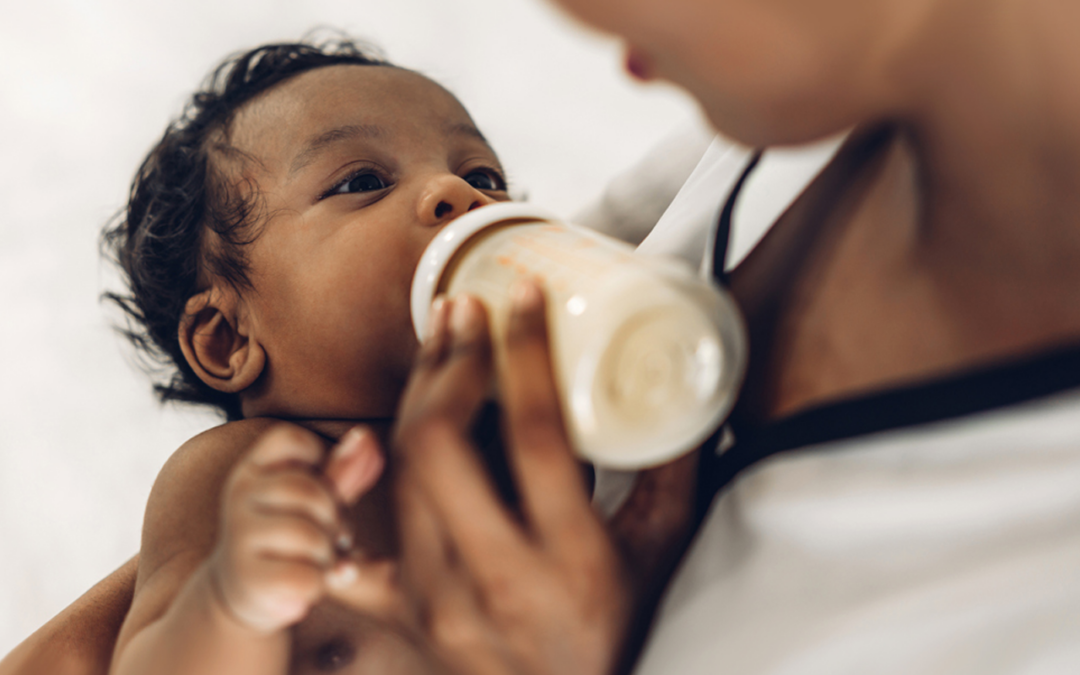
Breastfeeding is one of the first chances for you and baby to get to know each other and bond. Nestled in your arms, hearing your heartbeat, feeling your warmth, seeing your face – everything works together to create a powerful safety net. This is the beginning of building lifelong emotional security.
There’s also some science at work. The love and bonding hormone, oxytocin is released during breastfeeding. This not only promotes feelings of calm and emotional bonding, but it also encourages milk to flow.
More than words
Although your baby can’t speak a word yet, they’re still being social with you. Each little glance, every sound and cuddle, all the gentle back-and-forth between you is communication. In this way you’re laying the foundations of language and empathy.
Nursing also strengthens your baby’s mouth and tongue, which helps when they learn to speak.
Feeding calm
The early days can be pretty overwhelming. The rhythm of breastfeeding – holding, feeding and responding to your baby’s needs – can calm the sense of chaos. This eases your stress and your baby’s, and can help lower the risk of postnatal depression.
By responding consistently to your baby’s calls to feed, you’re showing them how to trust and feel safe.
Brain-building basics
Breast milk is often called liquid gold – and with good reason. Aside from being the perfect blend of protein, fats and carbohydrates, it’s packed with crucial brain-building nutrients, including:
- DHA (an omega-3 fatty acid): Helps the brain and eyes develop.
- Myo-inositol: Helps neurons (brain cells) form connections.
- Vitamin B12: Needed to form myelin, which protects the nervous system, so messages transmit quickly.
- Zinc: Supports nerve cell specialisation and development.
Every journey is different
As natural as it is, breastfeeding does not always come naturally. Many new moms face hurdles like:
- latching difficulties
- pain
- inflamed breasts
- low milk supply
- social pressure (you know – all those aunties with well-meaning advice)
- fear or anxiety
- work commitments
If you’re struggling, you’re not alone. Reach out to support groups like the La Leche League South Africa and healthcare providers like your clinic sister or midwife.
Don’t despair if you’re not able to breastfeed exclusively. What matters most is the nurturing connection you’re building with your baby – one feed at a time.
Reference
La Leche League