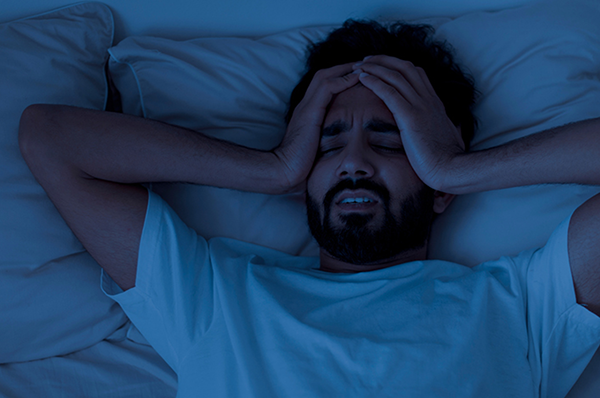
Your brain is the command centre of your thoughts, emotions, personality and behaviour. And just like any other part of your body, it can experience strain. Mental health challenges are incredibly common – one in three people will face one in their lifetime – yet stigma and silence still prevent many from seeking help.
Why talk about mental health?
Because silence can be harmful. It fuels misunderstanding and delays treatment. While learning about mental health and trying simple strategies can be helpful, it’s critical to understand this: recognised mental health conditions are medical issues – and they require professional care.
Let’s explore some common conditions, their symptoms, and supportive strategies. But remember these are not substitutes for professional treatment.
Anxiety
Symptoms: Constant worry, racing thoughts, restlessness, insomnia, irritability, fears, muscle tension.
Impact: Affects focus, decision-making, and can lead to depression.
Strategy: Breathing exercises and mindfulness can help calm the nervous system. Daily movement is beneficial.
Important: If anxiety is persistent or overwhelming, professional therapy or medication may be needed.
Depression
Symptoms: Low mood, loss of interest, fatigue, appetite/sleep changes, hopelessness.
Impact: Reduces motivation, productivity, and joy.
Strategy: Small goals, routine, and self-care can support recovery.
Important: Clinical depression is very serious and can be life threatening. Therefore medical intervention is critical.
OCD (obsessive compulsive disorder)
Symptoms: Intrusive thoughts and repetitive behaviours to relieve anxiety.
Impact: Disrupts daily life and relationships.
Strategy: Delay compulsions with grounding techniques.
Important: OCD is a complex condition best treated with cognitive behavioural therapy and/or medication.
PTSD (post-traumatic stress disorder)
Symptoms: Nightmares, flashbacks, panic, hyper-alertness, avoidance.
Impact: Affects sleep, relationships, and sense of safety.
Strategy: Grounding techniques can help in the moment.
Important: Trauma recovery often requires specialised counselling.
Eating disorders
Symptoms: Obsession with food, body image, restrictive or binge eating.
Impact: Harms physical and emotional health, and self-worth.
Strategy: Journaling and self-compassion can support healing.
Important: These are serious medical conditions that need professional treatment.
You’re not alone
Self-help strategies can offer comfort and support – but they’re only part of the picture. If you’re struggling, talk to someone: a friend, your employee wellness programme, or a healthcare provider. Asking for help is not a weakness, it’s courage.
If your symptoms are severe, worsening, or interfering with daily life, seek professional help immediately. Mental health conditions are real, and they are treatable.
Reference
- Mental Health Foundation