
From puberty to menopause, here’s how to support your body so your hormones don’t rule your life. Women’s hormones are in constant flux, influencing everything from mood to metabolism. When you know what your hormones are up to at different stages of life, you can manage their effects.
Puberty and periods
Between ages 8-13, most girls hit the hormonal highway. Oestrogen and progesterone levels rise, kickstarting body changes, including the arrival of periods. As hormones shift during your cycle, you may notice things like mood changes, acne and tenderness. Take control:
- Track your cycle with a period app.
- Manage mood and discomfort with daily exercise.
- Eat foods high in fibre, omega-3 fatty acids and magnesium for cramps and bloating, and iron if you have heavy periods.
- Seek help for extremely heavy and/or painful periods, depression or severe moodiness.
Pregnancy
Surging hormones, including relaxin and hCG, bring more changes. Aches and pains, food cravings, mood swings and energy dips are all common. Take control:
- Have regular medical check-ups and talk openly with your doctor.
- Discuss supplementing with crucial nutrients folic acid, vitamin B12, iron, calcium and omega-3 and -6 fatty acids.
- Stay active (with the doctor’s ok) to ease discomfort, boost mood and strengthen your body.
- Prioritise rest – growing a life is hard work!
New moms
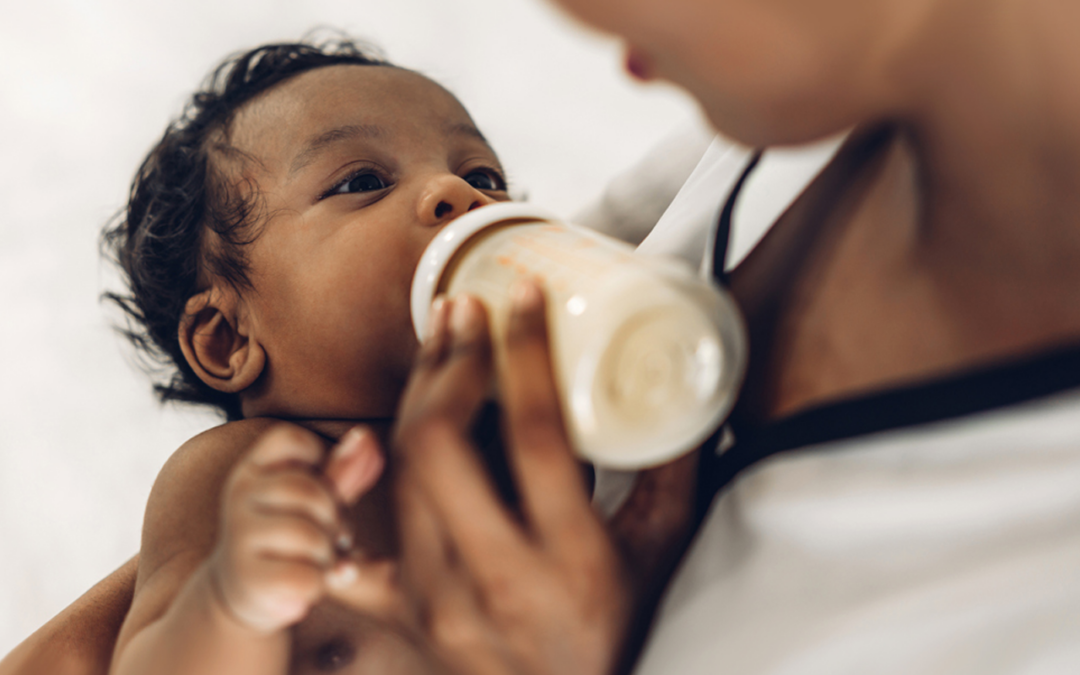
Plummeting hormones, sleep deprivation, tough physical recovery … No wonder the “baby blues” are common. This can escalate, with 10–15% of new moms facing postnatal depression. Take control:
- Don’t do it alone – ask for (and accept) help.
- Keep moving, even if it’s a gentle stroll with the pram, to boost feel-good hormones and help your body heal.
- Replenish energy and nutrients with regular, nutritious meals.
- If low mood is severe or lasts over two weeks, seek professional help.
Perimenopause
In your 40s, your ovaries make less hormones. The result? Irregular periods, mood swings, weight gain, insomnia, acne and hot flushes. Take control:
- Track symptoms to help you manage changes.
- Load up on 1,000mg of calcium a day to safeguard bone health – that’s a glass of milk, a pot of yoghurt and a cup of cooked spinach.
- Increase protein (chicken, fish, eggs, lentils) and fibre (apples, oats, almonds) to support muscle strength, blood sugar and digestion.
- Consider supplements or asking your doctor about hormone medications.
Menopause
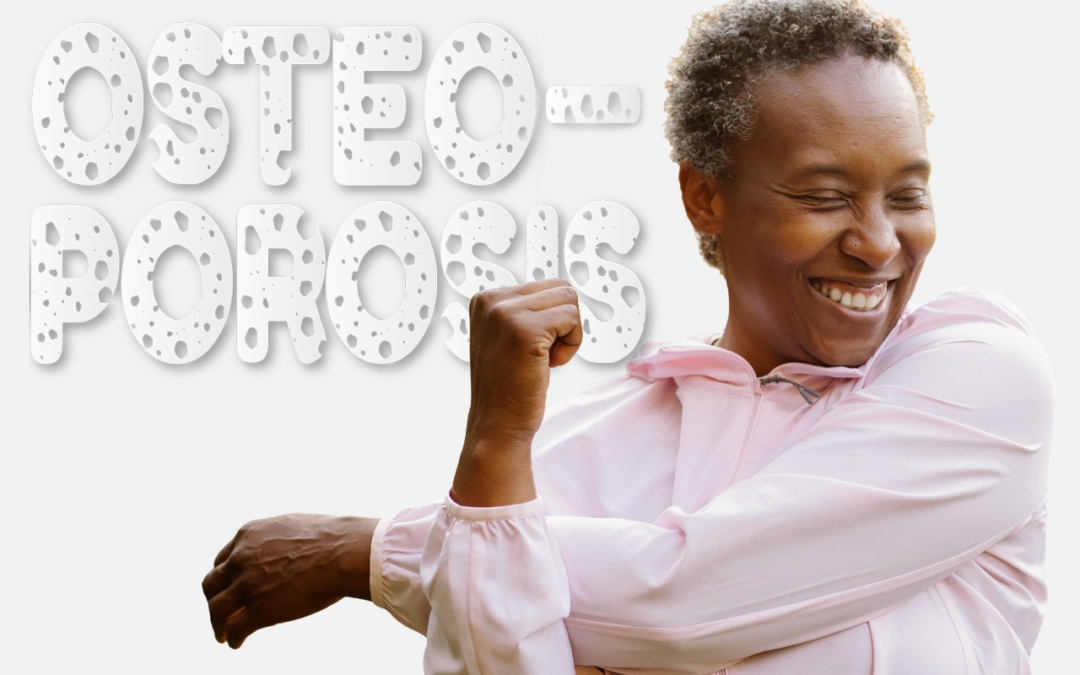
You’ve reached menopause when your periods have stopped for one year, usually between ages 45 and 50. Osteoporosis, heart disease, dry skin and low mood and energy are common. Take control:
- Maintain bone density and muscle with weight-training exercises.
- Connect socially and try new hobbies to keep your mind active.
- Get enough vitamin D, either with supplements or 15 minutes of sunshine daily.
- Consult a menopause specialist for hormone replacement therapy (HRT), supplements and advice.
Reference
- Hormonall