0800 229355 [email protected]
Wellness Café

Breast cancer: Separating fact from fiction

Nov 23, 2025

Breast cancer: Separating fact from fiction

Despite decades of awareness campaigns, nearly half of all breast cancer cases are still found too late. Why? Because dangerous myths and misinformation continue to hold women back from seeking help. It’s time to cut through the noise. Early diagnosis offers hope, healing, and a future – but only if we act.

Fiction: Lumps equal cancer

Don’t avoid the doctor out of fear of bad news – eight out of 10 breast lumps are not cancer. And, if it turns out to be “something”, early detection enables faster treatment.

Fiction: You’re only at risk if it’s in your family

Around 80% of women diagnosed don’t have relatives with breast cancer. Family history does increase the risk, especially with BRCA1 or BRCA2 mutation, but it’s just one of many factors.

Fiction: Deodorant causes breast cancer

There’s no scientific evidence linking antiperspirants – or underwire bras, bumping your breast, carrying a cellphone in your bra or using hair dye – to breast cancer. Instead, focus on controlling known risk factors, like smoking, high alcohol intake, obesity and inactivity.

Fiction: Cup size predicts cancer risk

Any size breast can develop cancer. In fact, even men can get it. Tissue density does make a difference: denser breasts have a higher risk and are more challenging to scan.

Fiction: It only happens to older women

Risks rise over age 50, but younger women are increasingly being diagnosed. Doctors generally recommend mammograms from age 40, earlier for those with risk factors. And it’s never too early to start self-checks.

Fiction: Self-checks aren’t useful

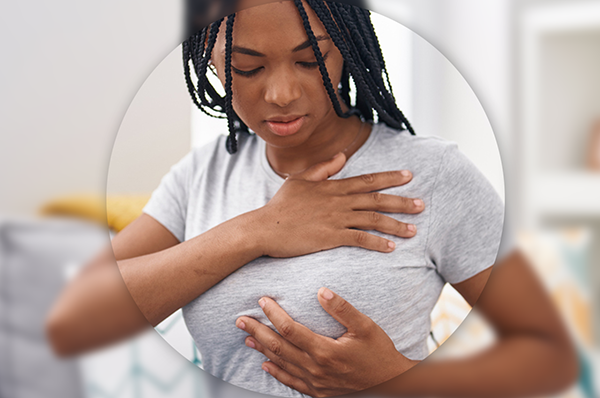
Around 75% of breast tumours are first found during a self-exam. You know your body best – by combining your observations with medical testing, you better your chances of finding problems in time.

Learn how to do a breast self-check here.

TIP! The best time for a self-exam is one week after your period ends, or the 1st of the month if you’re period free. The aim isn’t to “look for something”; it’s to become so familiar with your breasts that you swiftly notice changes.

Fiction: It’s not treatable

Thanks to improved medical treatments, up to 99% of women with early-stage diagnosis will survive for five or more years – almost a 30% improvement in 50 years. And new treatments continue to be developed, even for aggressive cancers.

Don’t let fear and misinformation stop you. Checks and regular scans are crucial – they could save your life.

Reference

  • CANSA

LATEST POSTS

5 surprising facts about ADHD

5 surprising facts about ADHD

Think attention-deficit/hyperactivity disorder (ADHD) is shorthand for someone who can’t sit still and focus?
In fact, it’s not an inability to focus, it’s about regulating attention. Many people with ADHD describe becoming intensely focused on some tasks – known as ‘hyperfocus’ – while struggling to start or complete things that don’t grab their attention.

When children get cancer

When children get cancer

No one wants to hear that a child has cancer. Fortunately, childhood cancer is rare and accounts for less than 1% of all cancers. 
The danger is that many childhood cancers progress very quickly, so it’s important for caregivers to be aware of warning signs – and seek help. 
With September being Childhood Cancer Awareness Month, now is the time to learn more. 

When breastfeeding does not work for you

When breastfeeding does not work for you

Breastfeeding is often portrayed as one of the most natural parts of motherhood – an instinctive, nurturing interaction between mother and child. But what if that image of effortless nursing doesn’t reflect your reality?
You’re not alone. In fact, 60-80% of new moms say they have difficulty breastfeeding. What’s more, in South Africa, the tally for infants under six months that are exclusively breastfed is less than one in three.

Why you should start building bone today

Why you should start building bone today

Over the years, your bones gradually break down – and for women after menopause, it’s a particularly big problem.
Your bones may seem solid, but they’re actually living tissue constantly renewing itself – like a well-maintained building. New parts replace old ones all the time, but if the building loses more bricks at a rate than they can be replaced, the structure becomes weaker.

How to stay healthy all winter long

How to stay healthy all winter long

Want to stop the sniffles in their tracks this season? These five strategies will protect, nurture and support your body.
South Africa’s colder months can bring a mixed bag of winter woes. More time indoors, closer contact with others, indoor heating – the perfect conditions for colds and flu. Shorter days also affect vitamin D levels and mood. It’s not surprising that many of us end up feeling less than sunny. 

You May Also Like: