0800 229355 [email protected]
Wellness Café

Be number wise for better heart health

Aug 29, 2024

Be number wise for better heart health

It’s scary to think that 225 South Africans die from heart disease every day. Family history, high stress levels, poor eating, and lack of exercise all play a role. World Heart Day on 29 September is an excellent time to start taking care of your heart.

The best place to start is by keeping tabs on your numbers:

  1. High blood pressure (BP) is a silent killer, so check it regularly – it should be under 130/85 mmHg.
  2. Normal resting heart rate is around 60-100 beats per minute.
  3. Cholesterol can clog the arteries, leading to heart attacks and strokes. Keep total cholesterol levels below 5.17mmol/L and LDL – aka ‘bad’ cholesterol – below 1.8mmol/L.
  4. Diabetes significantly increases the risk of heart disease. Your fasting blood sugar levels should be below 5.6mmol/L.
  5. Excess weight strains your heart and increases cardiovascular risk. Keep your weight within the ‘normal’ range for your gender, age and height.

Multiply your health

Aim for these numbers to keep your heart in shape:

  • Five to seven servings of fruit and veg are what you should eat per day. A serving is about the size of a medium apple or a cup of raw veg.
  • Seven to nine hours are what’s considered the right amount of sleep every night.
  • One teaspoon of table salt per day.
  • 150 minutes of moderate exercise per week.
  • One to two is the maximum number of standard drinks (330ml beer or 150ml of wine) per day (one for women, two for men).
  • 0 is the number of cigarettes per day – no amount of smoking is safe for your heart, so quit now!

Reference

  • Heart and Stroke Foundation

LATEST POSTS

5 surprising facts about ADHD

5 surprising facts about ADHD

Think attention-deficit/hyperactivity disorder (ADHD) is shorthand for someone who can’t sit still and focus?
In fact, it’s not an inability to focus, it’s about regulating attention. Many people with ADHD describe becoming intensely focused on some tasks – known as ‘hyperfocus’ – while struggling to start or complete things that don’t grab their attention.

When children get cancer

When children get cancer

No one wants to hear that a child has cancer. Fortunately, childhood cancer is rare and accounts for less than 1% of all cancers. 
The danger is that many childhood cancers progress very quickly, so it’s important for caregivers to be aware of warning signs – and seek help. 
With September being Childhood Cancer Awareness Month, now is the time to learn more. 

When breastfeeding does not work for you

When breastfeeding does not work for you

Breastfeeding is often portrayed as one of the most natural parts of motherhood – an instinctive, nurturing interaction between mother and child. But what if that image of effortless nursing doesn’t reflect your reality?
You’re not alone. In fact, 60-80% of new moms say they have difficulty breastfeeding. What’s more, in South Africa, the tally for infants under six months that are exclusively breastfed is less than one in three.

Why you should start building bone today

Why you should start building bone today

Over the years, your bones gradually break down – and for women after menopause, it’s a particularly big problem.
Your bones may seem solid, but they’re actually living tissue constantly renewing itself – like a well-maintained building. New parts replace old ones all the time, but if the building loses more bricks at a rate than they can be replaced, the structure becomes weaker.

How to stay healthy all winter long

How to stay healthy all winter long

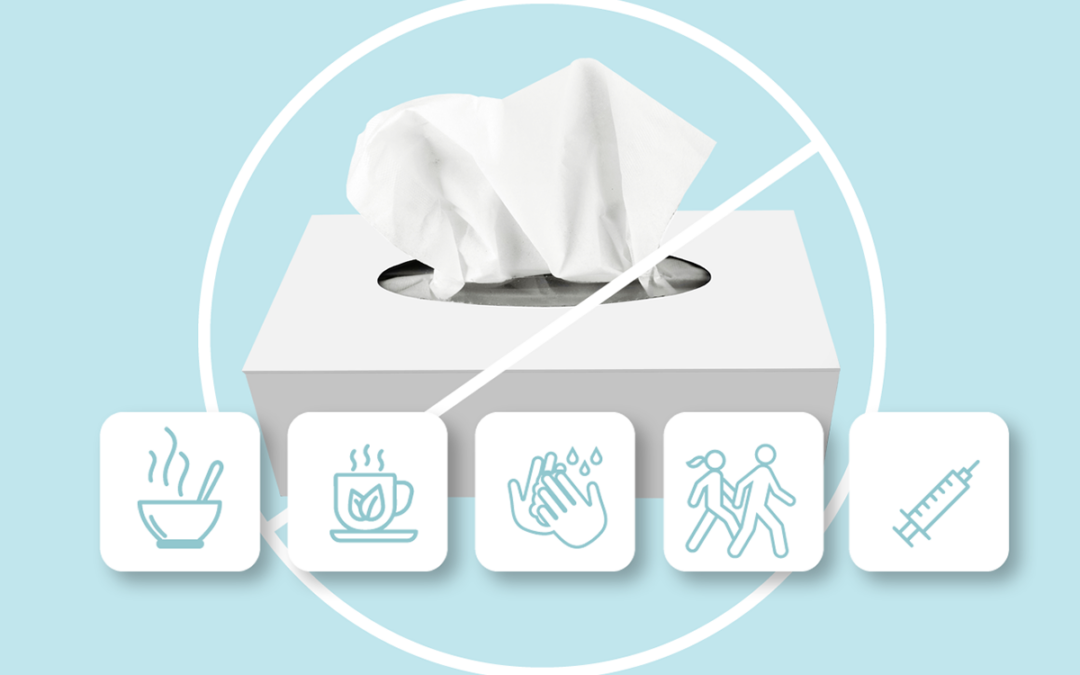
Want to stop the sniffles in their tracks this season? These five strategies will protect, nurture and support your body.
South Africa’s colder months can bring a mixed bag of winter woes. More time indoors, closer contact with others, indoor heating – the perfect conditions for colds and flu. Shorter days also affect vitamin D levels and mood. It’s not surprising that many of us end up feeling less than sunny. 

You May Also Like: